

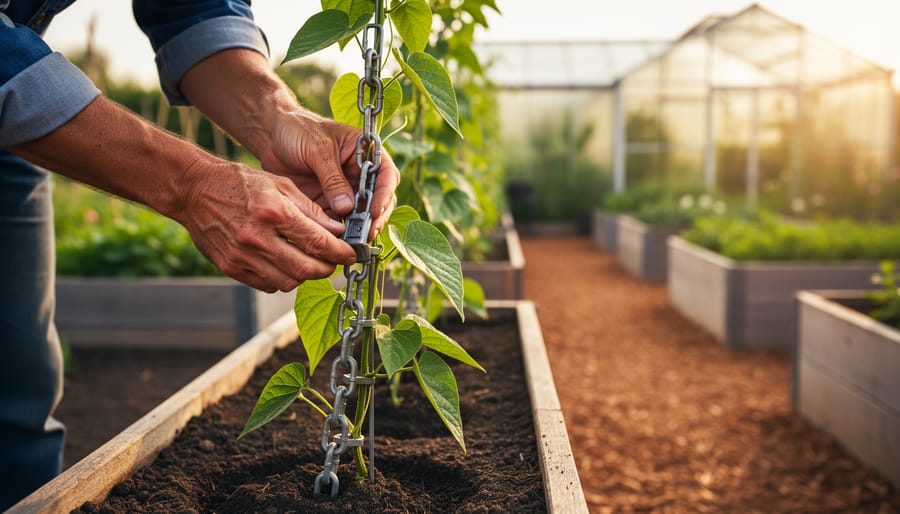
Your gardening blog deserves backlinks that grow alongside your content, just like the perennials in your garden beds. Editable backlinks give you control to update anchor text and destination URLs even after they’re published on other websites, creating dynamic connections through platforms like Hetneo’s Links that adapt as your seasonal content evolves.
Think of editable backlinks as garden stakes you can reposition throughout the growing season. When your spring planting guide becomes outdated, redirect those existing backlinks to your updated autumn version without losing the SEO value you’ve cultivated. This flexibility proves invaluable for gardening content that naturally changes with seasons, new plant varieties, and evolving techniques.
Most gardening bloggers struggle with dead links pointing to outdated companion planting charts or discontinued seed varieties. Editable backlinks solve this challenge by letting you refresh destinations while preserving the link equity you’ve worked hard to earn. You maintain relationships with collaborating garden bloggers while keeping your linked content relevant, whether you’re updating frost date information, revising pest control methods, or consolidating multiple guides into comprehensive resources. This approach transforms static backlinks into living assets that support your blog’s growth year after year.
What Are Editable Backlinks and Why Should Gardening Bloggers Care?
Think of editable backlinks like those wonderful perennial plants you can divide and share with fellow gardeners. Just as you might split your overgrown hostas and give divisions to neighbors, editable backlinks are links to your gardening blog that you can update, modify, or refresh over time, even after they’ve been planted on other websites.
Here’s what makes them special: regular backlinks are like annual plants that bloom once and stay exactly as they are. Once someone links to your article about tomato growing tips, that link remains static forever. But editable backlinks? They’re more like pruning your favorite rose bush. You have the ability to go back and adjust the link text, change which page it points to, or update the context around it as your content evolves.
For gardening bloggers, this is incredibly valuable because our niche is wonderfully dynamic. Imagine you wrote a comprehensive guide about spring planting last year, but this year you’ve created an even better version with updated varieties and techniques you’ve personally tested in your own garden beds. With editable backlinks, you can update those existing links to point to your fresh content without losing the SEO value you’ve already built.
This flexibility is particularly helpful when dealing with seasonal content, new plant varieties, or evolving gardening methods. Instead of starting from scratch every season or letting outdated links direct readers to old information, you maintain control over where your audience lands. It’s like having a garden path you can redesign whenever needed, ensuring visitors always find your best, most current advice about growing gorgeous gardens.
The Unique Advantages for Gardening Content Creators
Keep Your Links Fresh as Your Garden Grows
Your garden changes with every season, and your blog content should too. That’s where editable backlinks become your secret weapon. Think of them like those plant labels in your garden—you can update what’s written on them without having to dig up and replant everything.
When you first wrote that article about growing tomatoes three years ago, you probably recommended different varieties than you do now. Maybe you’ve discovered a better companion planting strategy or learned new tricks for preventing blight. With editable backlinks, you can refresh that content, add your latest wisdom, and all those valuable links pointing to your post stay intact. No broken links, no lost credibility with search engines.
I learned this lesson the hard way when I completely rewrote my spring planting guide. I’d accumulated dozens of links over two years, but when I moved it to a new URL, those connections vanished like morning dew. Now I keep the same URL and simply update the content as my knowledge grows.
This flexibility is perfect for gardening blogs because our advice naturally evolves. You can add seasonal updates, swap outdated photos for better ones, or include newly discovered pest solutions—all while preserving the link equity you’ve worked so hard to build.
Build Stronger Relationships with Fellow Garden Bloggers
When you reach out to fellow garden bloggers about link exchanges or guest posts, offering editable backlinks shows respect for their hard work and builds trust right from the start. Think of it like sharing seedlings with a neighbor – you’re creating a relationship based on mutual support and flexibility. Other gardening website owners will appreciate knowing they can update their links if they reorganize their content or change their URL structure after a website redesign.
I remember when I first started connecting with other bloggers in the gardening community. The ones who allowed me to update anchor text or switch out links as my content evolved became my most valued collaborators. This flexibility removes the hesitation many bloggers feel about permanent link commitments. It’s like planting perennials instead of annuals – you’re investing in something that can adapt and grow over time.
By promoting editable backlinks in your outreach emails, you position yourself as a collaborative partner rather than just someone seeking a favor. This approach opens doors to ongoing content partnerships, seasonal round-ups, and resource exchanges that benefit both gardens and audiences.
Where to Find Editable Backlink Opportunities in the Gardening Niche
Guest Posting on Home and Garden Sites
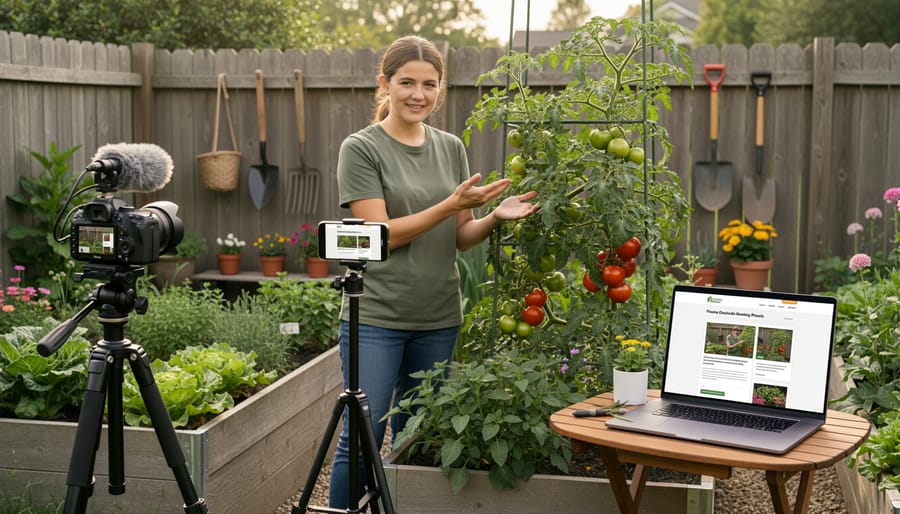
Guest posting on fellow gardening blogs creates wonderful opportunities to build lasting connections while securing valuable backlinks. Start by researching established gardening sites that accept contributor content and share your passion for growing things. Look for blogs with engaged communities and clear submission guidelines.
When reaching out, personalize your pitch with genuine compliments about their content. I’ve found that mentioning specific articles you enjoyed immediately sets a friendly tone. Propose topics that fill gaps in their content calendar, perhaps seasonal guides or problem-solving gardening articles their readers would appreciate.
Before submitting, clarify their policy on author bios and resource links. Many sites allow 1-2 contextual links within your article plus an author bio section. Request the ability to update these links periodically as your content evolves with the seasons. Frame this as beneficial for their readers too, ensuring they always access your most current and relevant resources.
Deliver exceptional content that exceeds expectations. High-quality guest posts establish you as a reliable contributor, making future edits more welcomed. Remember, building relationships takes time, just like nurturing a garden, but the rewards multiply season after season.
Resource Pages and Gardening Directories
Gardening resource pages are goldmines for editable backlinks! Think of them as the neighborhood bulletin boards of the gardening world – places where fellow gardeners gather to share tools, tips, and trusted websites. Start by searching for phrases like “best gardening blogs,” “organic gardening resources,” or “urban gardening tools directory.” Many of these roundups and directories allow you to claim or submit your blog profile, which you can update as your content grows.
When I first started my gardening blog, I submitted to a local community garden directory and was able to add new seasonal guides I’d written throughout the year. Look for directories maintained by gardening organizations, seed companies, or regional gardening communities. Once you’re listed, you can typically edit your description to highlight your latest tomato-growing guide or winter preparation tips. The beauty here is that these pages already attract gardening enthusiasts searching for reliable information, so your link reaches exactly the right audience while staying fresh and relevant to what you’re currently offering.
Collaborative Content with Other Garden Enthusiasts
One of my favorite ways to build editable backlinks is by teaming up with fellow gardening enthusiasts on collaborative projects. Think about creating shared seasonal planting guides where contributors from different climates can add their regional expertise. I recently participated in a multi-blogger spring planting calendar, and being able to update my contributions as our local weather patterns changed was incredibly valuable.
Regional planting calendars work beautifully for this approach since gardening schedules vary so much by zone. You might partner with bloggers from zones 3 through 9 to create a comprehensive guide that everyone can edit based on their real-world results. DIY project collections are another goldmine for collaboration. When several bloggers contribute their unique raised bed designs or composting systems, and each person can update their section with improvements or reader feedback, the resource becomes genuinely helpful and naturally attracts backlinks from readers who reference these living documents.
Simple Steps to Start Building Editable Backlinks Today
Create Link-Worthy Gardening Content First
Before you start reaching out for backlinks, here’s an insider secret: the best links come to content that genuinely deserves them. Think about it—would you link to a boring, run-of-the-mill article? Probably not!
The magic happens when you create content that other gardeners and bloggers naturally want to reference. Comprehensive gardening guides that solve real problems tend to attract links like bees to flowers. When I published my detailed guide on dealing with tomato blight, other bloggers kept linking back because it answered questions their readers were asking.
Unique DIY garden projects are absolute goldmines for backlinks. Share your creative raised bed designs or upcycled planter ideas with clear photos and instructions. Problem-solving articles also work wonders—pieces addressing common frustrations like “Why won’t my seeds germinate?” or “How to save a dying houseplant” become go-to resources.
Remember, link-worthy content starts with being genuinely helpful. Focus on creating value first, and the backlink opportunities will follow naturally.
Reach Out the Right Way
Reaching out to fellow gardening bloggers is like sharing seeds over the garden fence – it’s all about building genuine relationships. Start your email with a personal touch by mentioning a specific article you enjoyed on their site, perhaps their tomato-growing guide or raised bed tutorial. Keep your message warm and conversational, just like you’re chatting with a neighbor at the community garden.
Your outreach email should clearly explain what you’re offering. For example: “Hi Sarah, I loved your post on companion planting! I’m updating my beginner’s guide to vegetable gardening and would love to include a link to your resource. I use editable links on my blog, so if you ever need to update the URL, just let me know and I’ll change it right away.”
This approach shows respect for their content while highlighting the flexibility you’re offering. Remember, gardeners are naturally collaborative folks who love helping each other grow. Be patient with responses – many garden bloggers are busy tending actual gardens during peak seasons. Follow up gently after a week or two, and always express genuine appreciation for their work.
Track and Maintain Your Backlink Garden
Just like checking on your tomato plants each week, monitoring your editable backlinks needs regular attention. Set up a simple spreadsheet to track where each backlink lives, what it links to, and when you last checked it. I review mine monthly, usually on the same day I fertilize my container herbs – it’s become part of my gardening routine!
Use free tools like Google Search Console to watch your incoming links. Think of it as taking your garden’s temperature – you’ll quickly spot if a valuable backlink has wilted or disappeared. Set calendar reminders to revisit guest posts quarterly, updating outdated information like seasonal planting dates or replacing photos with fresh ones from your current garden.
When you notice a backlink pointing to content you’ve updated or moved, reach out to the site owner politely. Most gardening bloggers are happy to fix broken links, just as we’d help a neighbor fix a sagging fence. Keep notes about which sites are most responsive – they’re your best partners for future collaboration.

Common Mistakes Gardening Bloggers Make (And How to Avoid Them)
Even seasoned gardening bloggers can stumble when it comes to managing editable backlinks. Let me share some common pitfalls I’ve seen and how you can sidestep them.
The biggest mistake? Chasing quantity over quality. I’ve watched fellow gardening bloggers frantically guest post on dozens of irrelevant sites, hoping for quick wins. The truth is, one backlink from a respected gardening forum or established homesteading blog beats twenty links from random websites. Focus your energy on building genuine connections within the gardening community rather than casting a wide net.
Another trap is the “set it and forget it” approach. Remember, editable backlinks require maintenance. I learned this the hard way when a link I’d carefully placed in a collaborative article was accidentally removed during a site redesign. Now I check my most valuable backlinks quarterly, just like I rotate my vegetable crops. Set a reminder on your phone to review your backlink health every few months.
Many gardening bloggers also make the mistake of using identical anchor text everywhere. Instead of always linking with “best tomato growing tips,” mix it up with natural phrases like “here’s what worked in my raised beds” or “this approach transformed my harvest.” Search engines prefer variety, and it reads more naturally to your fellow garden enthusiasts.
Finally, don’t neglect relationship-building. Some bloggers treat backlink opportunities like transactions, forgetting there are real people behind those websites. Take time to genuinely engage with content, leave thoughtful comments, and offer value before asking for anything. In gardening, we know good things take time to grow, and backlink relationships are no different.
Just like the plants in your garden, building your blog’s authority through editable backlinks takes patience, consistent care, and the right conditions to flourish. You wouldn’t expect tomatoes to ripen overnight, and the same applies to SEO results. The beauty of editable backlinks is that they offer real, sustainable growth for your gardening blog. Every guest post you craft, every resource page that features your content, and every collaboration with fellow gardening enthusiasts plants a seed that can bear fruit for months or even years to come.
Start small and stay consistent. Your first step is simple: identify three gardening blogs or websites in your niche this week and reach out with a genuine, helpful idea for collaboration. Whether it’s offering to write about companion planting techniques or sharing your experience with season extension methods, focus on providing value first. Remember, the most successful gardens are those tended with care and attention, and your backlink strategy deserves the same thoughtful approach. Happy growing, both in your garden and online.


