Growing low water flowering plants is simpler than you think. These drought-tolerant beauties thrive with minimal irrigation once established, typically needing deep watering just once or twice a week during their first season and even less afterward. The secret lies in choosing varieties adapted to arid conditions and planting them correctly so their root systems can access moisture deep in the soil.
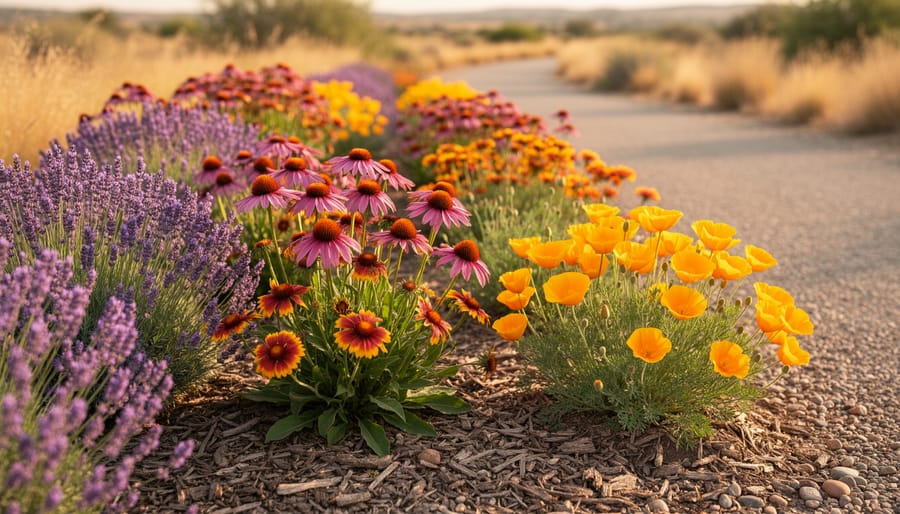
If you’re tired of watching your water bill climb every summer or feel guilty running sprinklers during dry spells, these resilient flowers offer a practical solution. They’ve evolved clever adaptations like silver foliage that reflects sunlight, deep taproots that mine underground moisture, and waxy leaves that seal in hydration. Plants like lavender, coneflowers, blanket flowers, and California poppies deliver stunning color without constant attention.
The benefits go beyond water conservation. Low water flowering plants require less fertilizer, resist pests better than thirsty alternatives, and actually perform poorly when overwatered. That means less maintenance time for you and healthier plants overall. Many gardeners discover these flowers are tougher and more reliable than traditional garden favorites that wilt at the first sign of heat.
Success comes down to three key factors: selecting plants suited to your climate zone, preparing soil with excellent drainage, and watering deeply but infrequently to encourage strong root growth. This guide walks you through each step, from gathering materials to troubleshooting common challenges. Whether you’re converting a water-hungry flowerbed or starting fresh in a dry climate, you’ll learn exactly how to establish a colorful, low-maintenance garden that conserves water without sacrificing beauty.
Why Choose Low Water Flowering Plants
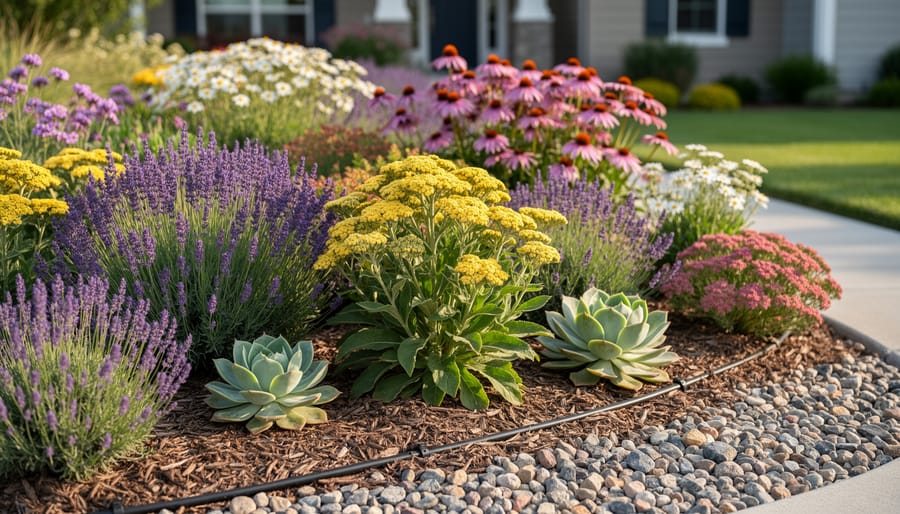
Choosing low water flowering plants isn’t just about surviving the next drought, it’s about creating a garden that works with your lifestyle and the environment. These drought-tolerant beauties slash your water usage by up to 50% compared to traditional thirsty perennials, which translates directly to lower utility bills and a lighter environmental footprint. If you’ve ever scrambled to adjust your watering schedule during summer water restrictions or felt guilty about soaking flowerbeds while your neighbors’ lawns turn brown, you’ll appreciate how liberating water-wise plants can be.
The maintenance advantages go beyond irrigation. Once established, most low water flowering plants need minimal fussing. They’ve evolved to handle stress, which means fewer wilted disasters when you forget to water or go on vacation. You’ll spend less time dragging hoses around and more time actually enjoying your garden. Many drought-tolerant flowers also resist pests better than their water-dependent cousins, cutting down on the need for intervention.
These plants make ecological sense too. By choosing species adapted to drier conditions, you’re reducing runoff, supporting local pollinators with native or naturalized blooms, and working with your climate rather than fighting it. During increasingly common heat waves and extended dry periods, these resilient plants keep performing while conventional flowers struggle. You get continuous color and pollinator activity without the constant worry or water waste, a genuine win for both your garden and the planet.
What You’ll Need to Get Started
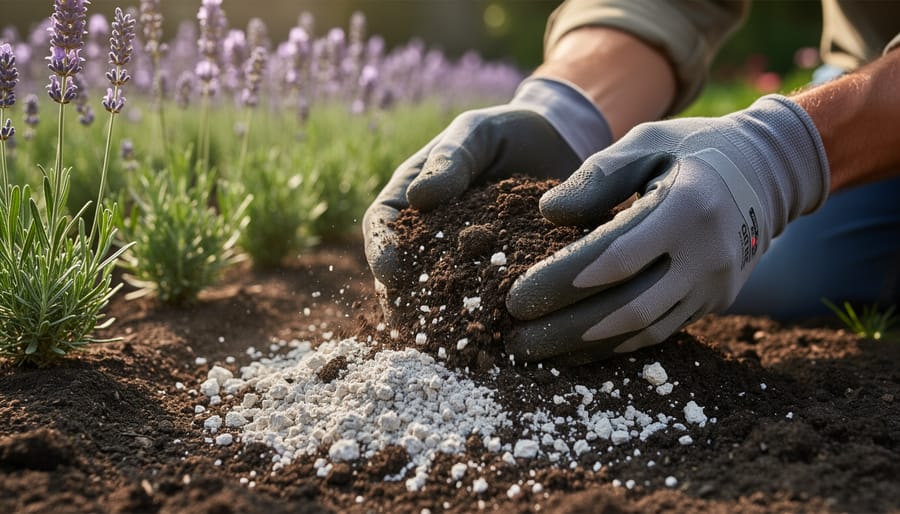
Getting your water-wise flower garden off the ground doesn’t require an overwhelming collection of specialized gear. You’ll need a few basics to set your plants up for long-term success with minimal water dependence.
Essential Tools and Materials:
- Drought-tolerant plant selections: Choose species proven to thrive in your climate zone with limited irrigation
- Hand trowel and garden spade: For digging planting holes and working amendments into soil
- Compost: Improves soil structure and moisture retention without creating waterlogged conditions
- Perlite or coarse sand: Enhances drainage in heavy clay soils, preventing root rot
- Mulch (wood chips, bark, or gravel): Insulates soil, suppresses weeds, and drastically reduces water evaporation
- Watering can or garden hose: Necessary for establishment phase, even for drought-tolerant plants
- Garden gloves: Protect hands when working with soil amendments and potentially prickly plants
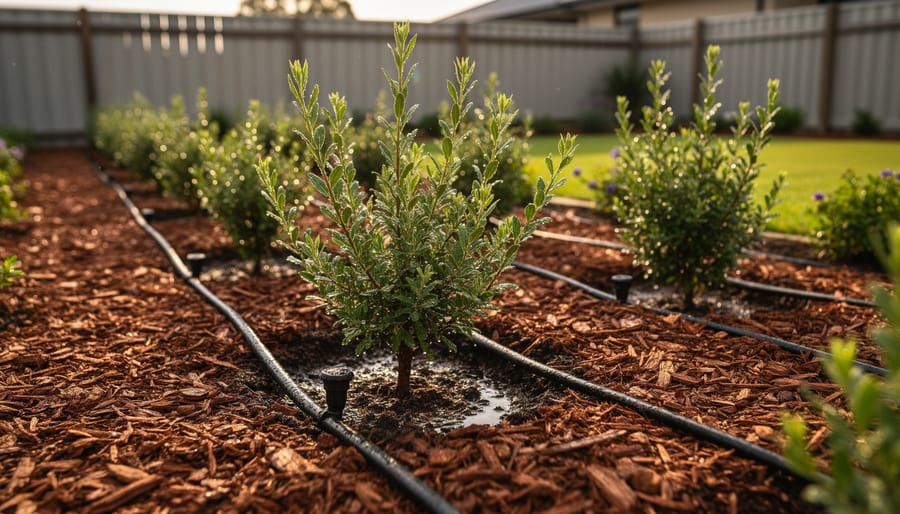
If you’re planning a larger drought-tolerant bed, consider whether an irrigation system worth it for your setup. A simple drip irrigation system delivers water directly to root zones with minimal waste, though it’s not essential for smaller gardens or experienced gardeners comfortable with manual watering.
The soil amendments deserve special attention. While drought-tolerant plants need less water, they still benefit from soil that holds just enough moisture during dry spells while draining excess quickly. Compost strikes this balance beautifully, and perlite prevents the compaction that turns clay into concrete.
Best Low Water Flowering Plants for 2026 Gardens
Choosing the right low water flowering plants transforms your garden into a beautiful, resilient space. These plants that barely need water deliver stunning color while thriving on nature’s rainfall and occasional deep watering.
Lavender (Zones 5-9) produces fragrant purple spikes from late spring through summer. This Mediterranean classic loves full sun and well-drained soil, needing water only during extended dry periods once established. English lavender varieties handle colder climates, while Spanish lavender suits warmer regions.
Purple Coneflower (Zones 3-9) offers bold pink-purple blooms with prominent orange centers from midsummer into fall. Growing 2-4 feet tall in full sun to part shade, coneflowers attract pollinators and make excellent cut flowers. They tolerate clay soil better than most drought-tolerant options.
Yarrow (Zones 3-9) spreads flat-topped flower clusters in white, yellow, pink, or red from June through September. This tough perennial handles poor soil and full sun, reaching 1-3 feet depending on variety. Yarrow fills garden gaps quickly and rarely needs supplemental water after the first season.
Russian Sage (Zones 4-9) creates airy clouds of lavender-blue flowers on silvery stems from mid-summer through fall. Standing 3-5 feet tall, it thrives in hot, dry conditions with full sun and excellent drainage. The fine-textured foliage adds movement and contrast to garden beds.
Blanket Flower (Zones 3-10) produces cheerful daisy-like blooms in red, orange, and yellow combinations from early summer until frost. These blooms with minimal watering love heat and full sun, growing 12-18 inches tall. Deadheading encourages continuous flowering.
California Poppy (Zones 6-10, annual elsewhere) displays silky orange, yellow, or cream flowers that close at night. This self-seeding annual thrives in poor, dry soil with full sun. Perfect for casual cottage gardens, poppies bloom from spring through early summer.
Sedum (Zones 3-9) offers late-season interest with pink flower clusters appearing in August and September. The fleshy succulent leaves store water efficiently. Varieties range from low-growing groundcovers to upright 18-inch specimens, all preferring full sun and lean soil.
Salvia (Zones 4-10, varies by species) provides vertical flower spikes in purple, blue, red, or white throughout summer. Most varieties need full sun and tolerate heat exceptionally well. Perennial salvias like May Night return year after year, while annual types deliver vibrant color in a single season.
Match these plants to your growing zone and sun exposure for best results.
Important Considerations Before You Plant
Before you plant low water flowering plants, take time to set yourself up for long-term success. Even the most drought-tolerant flowers need thoughtful planning and proper establishment to thrive with minimal water.
Start by understanding your local climate and typical rainfall patterns. Research your area’s average precipitation, dry season length, and USDA hardiness zone. These factors determine which low water flowering plants will truly thrive in your garden without constant intervention. A plant that survives California’s dry summers might struggle in Arizona’s intense heat, even if both regions are considered arid.
Test your soil drainage before you buy a single plant. Dig a hole about 12 inches deep, fill it with water, and watch how quickly it drains. Water should disappear within a few hours. If it sits for a day or more, you have drainage issues that can cause root rot even in drought-tolerant plants. Heavy clay soils need amendment with compost and perlite before planting.
Be aware that some low water flowering plants spread aggressively through runners or prolific self-seeding. Beautiful options like yarrow and blanket flower can take over garden beds if not monitored. Plan for containment or regular deadheading if you choose vigorous spreaders.
Never plant during extreme heat or drought conditions. Even resilient plants suffer transplant shock when temperatures soar above 90°F. Wait for milder weather in spring or fall to give your new additions the best start. Your first-season expectations should be modest, focus on establishment, not spectacular blooms.
Step-by-Step Planting Guide
Prepare Your Planting Site
Start by choosing a spot that receives at least six hours of direct sunlight daily, most drought-tolerant flowering plants need full sun to produce their best blooms and develop the deep root systems that help them survive dry conditions. Once you’ve identified the location, clear away all weeds, grass, and debris. These competitors steal precious moisture from your new plants during the critical establishment phase.
Next, test your soil drainage by digging a hole about 12 inches deep, filling it with water, and watching how quickly it drains. Ideally, the water should disappear within an hour or two. If it sits longer than four hours, you’re dealing with heavy clay that needs amendment. Work in 2-3 inches of compost and coarse sand or perlite to break up the density. For sandy soil that drains too quickly, mix in compost to improve water retention without creating soggy conditions. Understanding how soil shapes your garden success will help you create the perfect growing environment for your low-water flowers, you want soil that drains well but still holds enough moisture to support new roots as they establish.
Plant at the Right Depth and Spacing
Dig holes about twice the width of your plant’s root ball and just deep enough so the crown (where stems meet roots) sits level with the surrounding soil. Planting too deep encourages rot, while planting too shallow exposes roots to drying out, neither works well for low water flowering plants that need strong root systems.
Space your plants according to their mature size, which you’ll find on the plant tag. Lavender typically needs 18-24 inches between plants, while sprawling blanket flowers want 12-15 inches. I know it’s tempting to fill gaps immediately, but crowded plants compete for moisture and suffer from poor airflow, inviting fungal problems. Trust the spacing recommendations.
Once positioned, backfill around the root ball with your amended soil, gently firming it to eliminate air pockets without compacting heavily. Create a shallow basin around each plant to catch water during establishment, this little moat directs moisture right to the roots instead of letting it run off.
Check that each plant sits straight and at the proper depth before moving to the next one. Getting this foundation right now means your drought-tolerant flowers will develop the deep, extensive root systems that make them truly water-wise once established.
Water and Mulch for Success
Water deeply but infrequently right after planting. Give your new low water flowering plants a thorough soaking to settle the soil and encourage roots to grow downward. For the first two weeks, water every 2-3 days if there’s no rain. Your goal is to keep the root zone moist while roots establish, not to create a constantly wet environment.
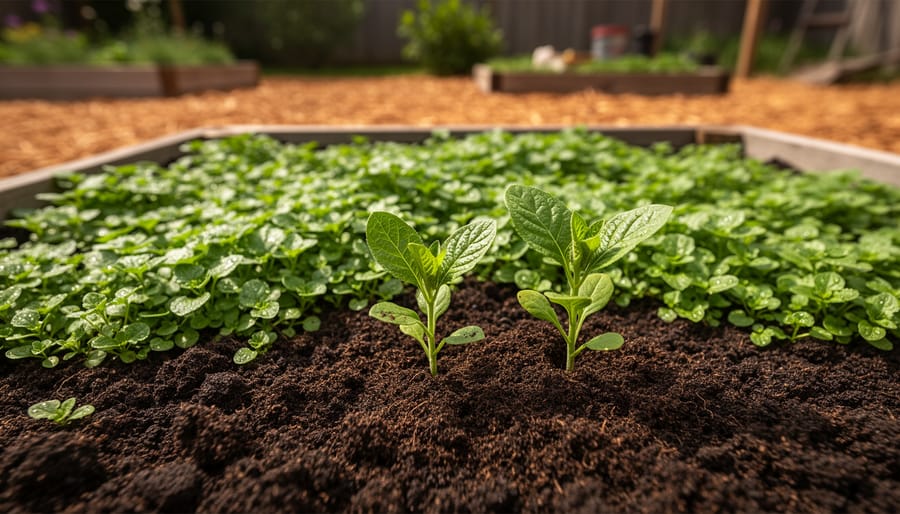
Apply mulch immediately after that first watering. Spread a 2-3 inch layer of organic mulch like shredded bark, wood chips, or compost around each plant, keeping it a few inches away from the stems to prevent rot. This mulch blanket works double duty, it locks moisture into the soil so you can water less often, and it blocks weed seeds from sprouting and competing with your flowers.
Start reducing water after three to four weeks. Once you see new growth, cut back to once weekly watering. By the end of the first growing season, most drought-tolerant flowers need water only during extended dry spells. Let the soil dry between waterings to train roots to search deeper for moisture. This gradual reduction builds the resilience these plants are known for, you’re teaching them to thrive on less, not abandoning them too soon.
Monitor and Adjust Care
During the first few weeks after planting, check your low water flowering plants every few days to see how they’re settling in. Look for signs of healthy establishment like upright stems, perky leaves, and new growth emerging from the center of the plant. It’s normal for transplants to look a bit droopy for the first day or two, this is just transplant shock, not a reason to panic.
Learn to distinguish between stress and adaptation. Slight leaf curl during the hottest part of the day is often normal, especially if plants perk back up by evening. However, if leaves remain wilted in the morning after watering, you may need to water more frequently during establishment. On the flip side, yellowing leaves or mushy stems suggest you’re watering too much.
Adjust your watering schedule based on weather and plant response. After a heavy rain, skip your next scheduled watering. During a heat wave, you might need to water an extra time that week. Pay attention to each plant individually, some establish faster than others and will need less frequent watering sooner. By the end of the first growing season, most drought-tolerant flowering plants should be weaned down to occasional deep watering only during extended dry periods.
How to Tell Your Plants Are Thriving
Healthy low water flowering plants show clear signs they’re adapting to your garden. Look for fresh green growth at the stem tips, which usually appears within a few weeks of planting. Blooms should develop according to the plant’s natural season, and established plants perk up within hours after you water them rather than staying droopy. Strong root development is another positive indicator, gently tug a plant after six weeks, and you’ll feel resistance if roots have spread into the surrounding soil.
Watch for warning signals that something’s off. Plants wilting even after watering often indicate drainage problems; the roots may be sitting in waterlogged soil. Yellow leaves typically mean you’re watering too frequently, remember, these low-water plants prefer drier conditions once established. If a plant shows no new growth after eight weeks and the leaves look dull or brown, it might be the wrong choice for your specific conditions.
Once your plants show consistent new growth and bloom on schedule, you can begin reducing water frequency. Most drought-tolerant flowers need weekly deep watering during their first summer, then transition to every two weeks by fall. By the second growing season, many will thrive on rainfall alone except during prolonged dry spells.
Frequently Asked Questions
How long does it take for low water flowering plants to establish?
Most drought-tolerant flowering plants need consistent watering for the first 4-8 weeks after planting, then gradually reduced water for the rest of their first growing season. By the second year, they’re typically established enough to thrive on rainfall alone in most climates, though occasional deep watering during extended dry spells helps them bloom their best.
Do low water flowering plants ever need watering?
Yes, even the toughest drought-tolerant flowers need water during establishment and may require supplemental irrigation during extreme heat or prolonged droughts lasting several weeks. The term “low water” means they need significantly less than traditional garden flowers once established, not that they survive completely without moisture.
Can I grow low water flowering plants in containers?
Absolutely, though container plants dry out faster than in-ground plantings, so you’ll need to water more frequently than you would in garden beds. Choose containers with drainage holes, use quality potting mix, and group pots together to create a more humid microclimate that reduces water needs.
How do I transition my existing garden to drought-tolerant flowers?
Start by replacing one section at a time rather than overhauling everything at once. Choose an area that’s hardest to keep watered, prep the soil well, and plant your low water flowers in spring or fall when natural rainfall helps establishment. As these plants prove themselves, gradually expand your drought-tolerant beds each season.
What should I do during heat waves or extreme drought?
Even established low water flowering plants appreciate a deep soaking every 10-14 days during prolonged hot, dry periods. Water early in the morning to minimize evaporation, focus on the root zone rather than foliage, and add extra mulch if needed to keep soil temperatures down and moisture in.
These questions come up repeatedly in gardening communities, and the answers help set realistic expectations. New gardeners sometimes assume “drought-tolerant” means zero maintenance, then feel discouraged when their plants struggle during establishment. Understanding that these flowers still need your attention initially, then gradually become more self-sufficient, helps you plan your care schedule and know what’s normal versus a problem requiring intervention.
Growing low water flowering plants is more than just a smart gardening choice, it’s a genuinely rewarding journey that brings vibrant color to your space while working with nature instead of against it. You’ve seen throughout this guide that drought-tolerant doesn’t mean dull or difficult. With the right plant selections for your climate, proper establishment care during those first crucial months, and a bit of patience as roots settle in, you’ll have a thriving garden that practically looks after itself.
The beauty of these resilient bloomers is that they get easier with each passing season. That first year requires attention, but once established, your low water flowering plants will reward you with stunning displays while asking for far less than traditional gardens demand. You’ll save time, reduce water bills, and enjoy the satisfaction of gardening sustainably.
Whether you’re converting an entire yard or starting with a small sunny corner, there’s no better time to begin than now. Choose a few plants that excite you, prepare your site thoughtfully, and trust the process. Your water-wise flower garden awaits, and it’s going to be more beautiful than you imagined.