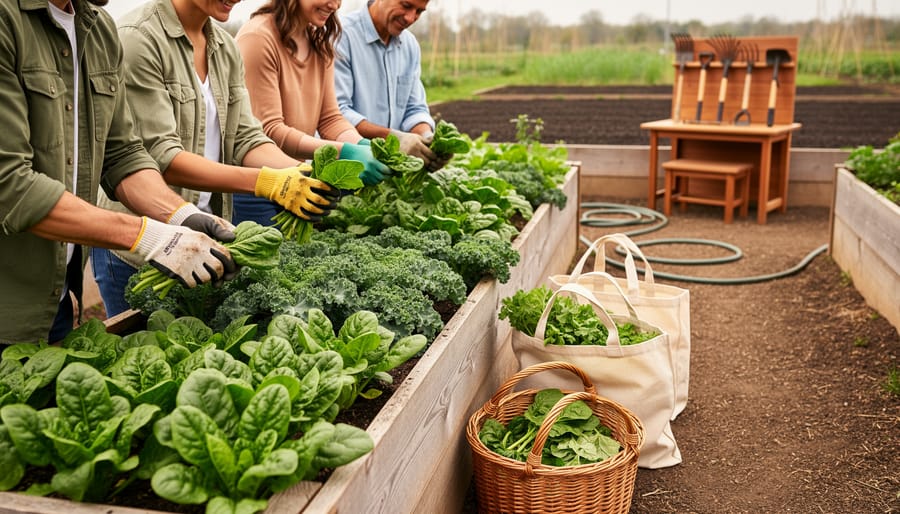
A Q Gardens Community Farm is a shared agricultural space where neighbors grow food together on common land, splitting responsibilities, costs, and harvests among participating members. Unlike traditional community gardens that assign individual plots, this model operates as a unified farm run collectively by volunteers or members who work scheduled shifts and share the entire yield based on their contribution level.
These cooperative farms solve a real problem for aspiring food growers who lack yard space, time, or knowledge to garden alone. They create a support system where experienced growers teach beginners, heavy workloads get divided into manageable chunks, and everyone walks away with fresh produce they helped cultivate. The pooled-resource approach means access to better tools, bulk soil amendments, and growing infrastructure that would stretch a single household’s budget.
This guide walks you through exactly how Q Gardens Community Farm operates, from work-share requirements to harvest distribution systems. You’ll discover the different participation levels available, what commitments each involves, and how to determine if this collaborative growing model fits your schedule and gardening goals. Whether you’re curious about joining an existing farm or starting one in your neighborhood, you’ll find the practical details that transform the concept into reality.
What Q Gardens Community Farm Really Means
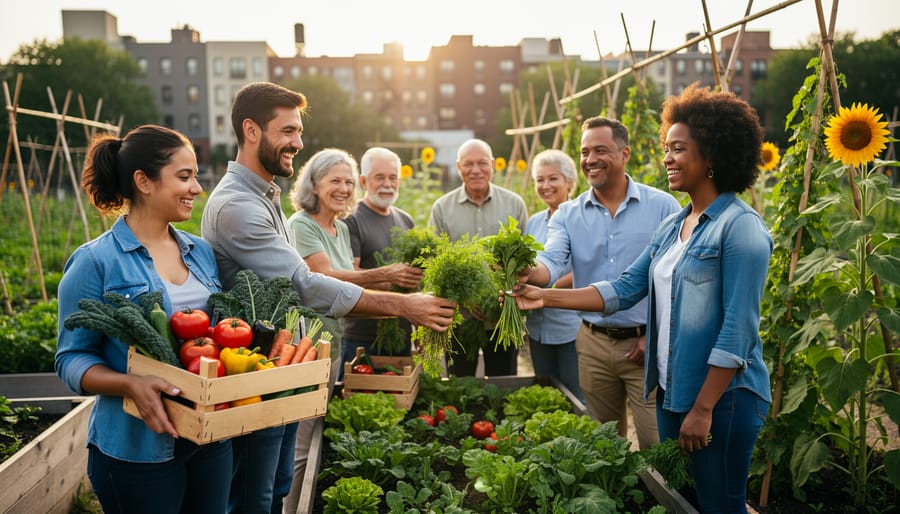
Q Gardens Community Farm is a shared agricultural space where neighbors and community members work side by side to grow fresh food, rather than gardening alone in isolated backyards. Unlike a traditional private garden owned and maintained by one person or family, this community-centered model brings people together around the shared goals of producing healthy vegetables and herbs while learning sustainable growing methods from each other.
At its heart, Q Gardens operates on the principle that farming works better when people pool their knowledge, effort, and resources. Members might tend individual plots within the larger farm, contribute to shared growing beds that everyone helps maintain, or participate in work-share arrangements where labor replaces or reduces membership fees. The harvest often gets divided among active participants based on their involvement level, though some community farms also donate portions to local food banks or sell surplus at farmers markets to fund operations.
To understand how Q Gardens fits into the broader landscape of community agriculture, a few key terms are helpful:
- Community Garden
- A piece of land gardened collectively by a group, where individuals typically maintain separate assigned plots within a shared space with common resources like water and tools.
- Collaborative Farming
- An approach where participants work together on all growing areas rather than tending individual plots, sharing both labor and harvest as a true team effort.
- CSA (Community Supported Agriculture)
- A model where members pay upfront for a season’s worth of produce, sharing the farm’s risks and rewards while receiving regular harvest shares throughout the growing period.
- Plot Sharing
- An arrangement where two or more gardeners split the responsibilities and harvest of a single growing plot, ideal for those with limited time or physical capacity.
- Communal Harvest
- Produce grown in shared beds that gets distributed among all participating members, typically during scheduled harvest days or pickup times.
What distinguishes Q Gardens from purely social community gardens is its emphasis on both food production and education. Members don’t just get access to dirt and sunshine, they gain hands-on training in composting, crop rotation, pest management, and seasonal planting strategies from experienced growers who’ve learned what works in the local climate and soil conditions.
How Q Gardens Community Farm Works
Membership and Participation
Joining Q Gardens Community Farm typically starts with a simple inquiry, reaching out through their website, attending an open house, or connecting with current members. Most community farms operate on an annual membership model, with fees that vary based on plot size and level of involvement. Q Gardens may offer sliding-scale pricing to keep gardening accessible to everyone, regardless of income.
Participation comes in different flavors to suit various schedules and interests. Active gardeners commit to tending individual or shared plots regularly, showing up for weekly work sessions and taking on responsibilities like weeding, watering, and harvest. These members get the biggest share of produce and the most hands-on learning. Occasional volunteers drop in when they can, helping with seasonal tasks like spring planting or fall cleanup, without the commitment of maintaining a plot. Supporters contribute financially or through resource donations, backing the farm’s mission even if they can’t garden themselves.
Many community farms also welcome trial periods or work-trade arrangements, letting newcomers test the waters before committing fully. The key is finding a participation level that fits your life while contributing to the collective success of the farm.
Growing Seasons and Activities
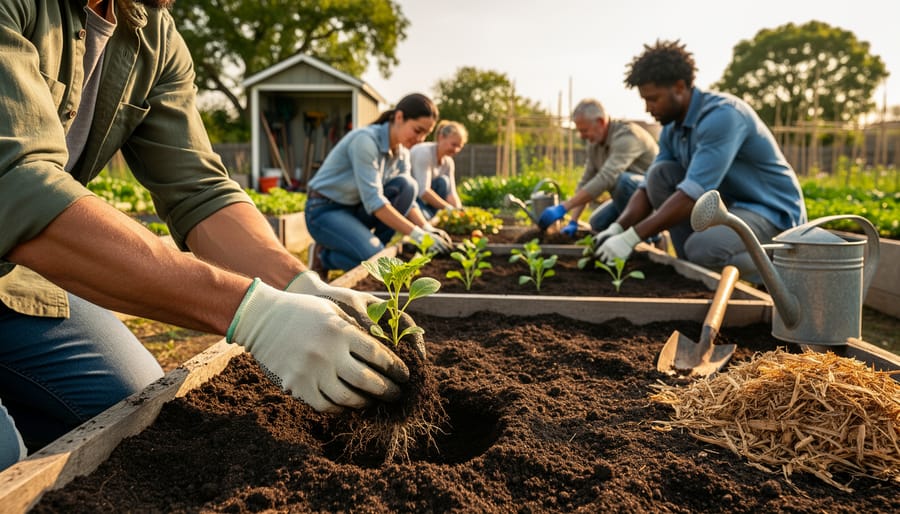
Spring kicks off the growing year at Q Gardens, typically starting in March with plot preparation and soil amendments. Members gather for community planting days in April and May, putting in cool-season crops like lettuce, peas, and brassicas. These early sessions often double as skill-sharing workshops where experienced gardeners demonstrate proper spacing and companion planting techniques.
Summer brings the busiest period, with weekly maintenance sessions focused on weeding, watering, and staking tomatoes. The farm hosts mid-week evening work parties when temperatures cool, making it easier for members with day jobs to participate. July and August see the first major harvests of beans, squash, and herbs.
Fall transitions into succession planting, with members sowing carrots, kale, and cover crops in September. The harvest festival in October celebrates the season’s bounty and provides a chance to preserve excess produce together through canning workshops.
Winter slows the pace but doesn’t stop it entirely. Members maintain cold frames, plan next year’s layout at monthly meetings, and tackle infrastructure projects like path maintenance and compost bin repairs during milder days.
Different Ways to Participate at Q Gardens
Q Gardens offers several pathways to get involved, whether you’re itching to dig into your own plot or prefer learning alongside others in shared spaces. Most community farms thrive on this flexibility, and Q Gardens is no different, new gardeners who aren’t ready for full plot responsibility can ease in through volunteer days, while experienced growers might jump straight into managing their own 10-by-10-foot bed.
The most common options include:
- Individual plot rental, your own dedicated growing space with full control over what you plant and tend
- Communal garden work shares, contribute a few hours weekly in shared beds and take home a portion of the harvest
- Drop-in volunteer days, show up when you can to help with general farm tasks, no long-term commitment required
- Educational workshop attendance, learn skills like composting, soil health basics or seed saving through hands-on classes
- Donation or sponsorship, support the farm financially if you can’t participate physically, often covering plot costs for low-income members
- Youth and school programs, bringing kids and student groups to the farm for guided gardening education
Individual plots work well if you want full creative control and don’t mind the responsibility of daily watering. You’ll pay a seasonal fee, get your marked-off space, and handle everything from soil prep to harvest, though neighboring plot-holders usually share tips, tools, and surplus seedlings freely.
Work-share arrangements suit people with less time. You commit to a set number of hours each week working in the communal beds, and in return you receive a weekly share of whatever’s ready, tomatoes one week, greens and herbs the next. The farm coordinator assigns tasks, so you’re never guessing what needs doing. It’s a solid way to learn the 5 soil health principles while experienced members demonstrate proper techniques.
Volunteer-only participation appeals to beginners testing the waters. You might mulch pathways, help install an irrigation system or weed the herb spiral, simple tasks that build familiarity without pressure. Many volunteers eventually transition to plots once they’ve gained confidence and learned the farm’s rhythms through casual Saturday mornings.
What You Can Grow and Harvest
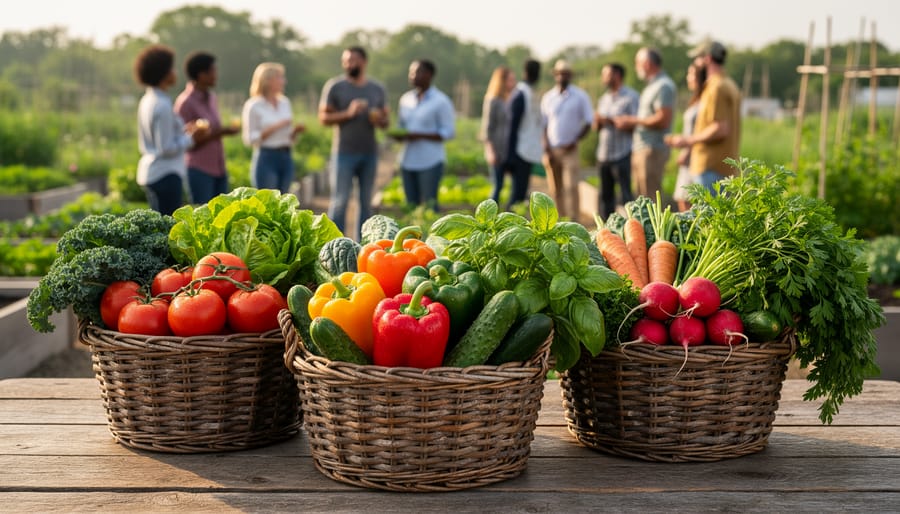
Q Gardens Community Farm grows a diverse mix of crops throughout the year, focusing on vegetables and herbs that thrive in the local climate while meeting member preferences. You’ll typically find seasonal staples like tomatoes, lettuce, kale, peppers, and squash during their peak growing months, alongside hardy greens that can handle cooler weather. Herb beds often include basil, cilantro, parsley, and mint, perfect for taking home and transforming weeknight dinners. Many community farms also dedicate space to pollinator-friendly flowers like sunflowers, zinnias, and marigolds, which support the garden ecosystem while adding beauty to the space.
What makes community farm harvesting special is the collaborative approach. At Q Gardens, harvest sharing usually works on a work-for-produce model: members who contribute their time during planting, weeding, or maintenance days earn a share of the harvest. Some farms operate on an honor system where you take what you need within reasonable limits, while others distribute shares at designated pickup times. The exact system varies, but the principle remains the same, your effort translates directly into fresh food.
Deciding what to plant each season typically involves member input. Many community farms, including Q Gardens, hold planning meetings where participants suggest crops they want to grow, vote on varieties, or sign up to manage specific beds. This democratic approach means you might influence next season’s menu while learning what grows well locally.
The beauty of this system is variety. Instead of committing your entire backyard to one sprawling tomato experiment, you get access to dozens of crops without the risk. If the eggplants fail, there are still beans. If you’ve never grown kohlrabi, now’s your chance to try it without dedicating precious garden space at home.
The Benefits of Joining a Community Farm Like Q Gardens
Joining a community farm like Q Gardens changes your daily life in surprisingly practical ways. The most immediate benefit is obvious: you’ll bring home fresh, organic vegetables and herbs you helped grow. There’s something deeply satisfying about cooking with tomatoes you planted yourself, or tossing freshly picked lettuce into a salad. Research shows that participation in community gardens improve diet making it easier to eat more vegetables when they’re literally at your fingertips.
Beyond the harvest, you’re getting a hands-on education that money can’t buy. Working alongside experienced gardeners means learning techniques like proper mulching, pest management without chemicals, and seed saving through actual practice rather than YouTube videos. Someone will show you exactly how deep to plant carrot seeds, or why your tomatoes are splitting, or which companion plants really work. This peer-to-peer knowledge sharing beats any book.
The social benefits matter more than most people expect. Regular garden days create genuine friendships with neighbors you might never have met otherwise. You’ll find yourself chatting about summer plans while weeding beds, or trading recipes as you harvest together. For families with kids, it’s a chance to connect with other parents while children discover where food actually comes from.
The physical work provides exercise that doesn’t feel like a gym session. Digging, planting, harvesting, and hauling compost builds strength and flexibility naturally. Studies confirm that gardening reduces stress and anxiety, offering mental health benefits alongside the physical ones. Many members report sleeping better after a few hours in the garden.
Finally, you’re making a real environmental contribution. Community farms like Q Gardens create green spaces that urban gardens support biodiversity providing habitat for pollinators and beneficial insects. You’re growing food locally, reducing transportation emissions, and building healthier soil. It’s climate action you can see and touch.
Getting Started at Q Gardens Community Farm
Ready to give Q Gardens Community Farm a try? The first step is refreshingly simple: reach out. Most community farms have a website or social media page where you can find contact information and upcoming orientation dates. Send a friendly email or give them a call expressing your interest. Many farms welcome visitors to open garden days or volunteer sessions before you commit to membership, so you can get a feel for the place and meet current members.
On your first visit, expect a warm welcome and a tour of the growing areas. You’ll likely see where plots are located, meet a few gardeners, and get a sense of the farm’s rhythm. Don’t worry about showing up with extensive knowledge or fancy equipment. Beginners are genuinely welcome, and experienced members love sharing what they’ve learned. The farm typically provides basic shared tools like shovels, rakes, and wheelbarrows, though you might eventually want your own hand trowel and gloves for comfort.
Come with questions and an open mind. Ask about the best times to participate, what projects need help, and whether there’s a buddy system pairing newcomers with experienced gardeners. Show up for a few volunteer sessions before deciding on membership, it’s the best way to discover if the community vibe fits you.
The secret to making the most of Q Gardens? Start small, be consistent, and chat with other gardeners. They’re your best resource for local growing wisdom and friendship.
Common Questions About Q Gardens Community Farm
If you’re curious about joining Q Gardens Community Farm but have practical questions, you’re not alone. Most newcomers wonder about the same things before taking the leap into community farming. Here are straightforward answers to help you decide if Q Gardens fits your life.
How much does membership cost?
Membership fees vary depending on the participation level you choose, typically ranging from modest annual dues for volunteer members to higher fees for dedicated plot holders. Many community farms offer sliding scale options or work-trade arrangements to make participation accessible regardless of budget.
What if I’ve never gardened before?
Complete beginners are genuinely welcome at Q Gardens. Experienced members and coordinators provide guidance, workshops cover essential skills, and you’ll learn by doing alongside supportive community members who remember being newcomers themselves.
Can I bring my kids?
Families are typically encouraged at community farms like Q Gardens. Children learn where food comes from, develop responsibility through simple tasks, and benefit from outdoor time while parents garden.
What happens if I miss workdays?
Most community farms understand that life gets busy. While regular participation keeps the farm thriving, occasional absences are normal, just communicate with coordinators and try to make up hours when possible or adjust your commitment level to what’s realistic for your schedule.
The harvest sharing structure addresses another common concern. At Q Gardens, members typically receive produce proportional to their involvement level and what’s available each week. Some farms use a first-come approach during harvest hours, while others pre-pack shares or maintain honor-system harvest logs. The specific system varies, but fairness and abundance-sharing principles guide distribution.
Time commitment flexibility matters to busy families and working professionals. Q Gardens usually accommodates different schedules through varied workday options, evening hours, and weekend sessions. You’re not locked into the same time slot every week, and swapping shifts with other members helps everyone balance farming with other responsibilities.
Q Gardens Community Farm represents something beautifully simple: a space where people come together to grow food, share knowledge, and build genuine connections with their neighbors and the earth. It proves that you don’t need a big backyard or years of experience to participate in local food production, just a willingness to learn and contribute.
Whether you’re looking for fresh organic produce, practical gardening skills, or simply a welcoming community of like-minded people, community farms offer something special that individual gardening can’t quite replicate. The shared work becomes lighter, the harvest more abundant, and the learning curve gentler when you’re surrounded by supportive fellow gardeners.
If Q Gardens isn’t in your area, consider it inspiration to seek out similar initiatives nearby. Community gardens, cooperative farms, and shared growing spaces exist in cities and towns across the country, each with their own character and approach. Your local extension office, gardening clubs, or even social media groups can point you toward opportunities to dig in, literally and figuratively.
The best time to start growing food with your community was yesterday. The second best time is now.