Plant bolting is when a vegetable or herb suddenly shifts from producing the leaves, stems, or roots you want to eat and instead sends up a tall flowering stalk to make seeds. Once a plant bolts, the flavor often turns bitter, the texture becomes tough, and your harvest window slams shut.
If you’ve ever watched your lettuce stretch skyward in summer or noticed your basil developing a tower of tiny flowers, you’ve seen bolting in action. It’s one of the most common frustrations for gardeners, especially when your crop goes from thriving to inedible seemingly overnight. The good news? Bolting isn’t a disease or a sign you did something wrong. It’s actually a natural survival mechanism triggered by environmental stress, most often heat or changes in daylight length.
Understanding what causes bolting and which plants are most prone to it gives you the power to time your plantings better, choose the right varieties, and catch the warning signs early. In this guide, you’ll learn exactly how bolting works, how to spot it before it’s too late, and what it means for the crops in your garden. We’ll also cover practical steps for how to manage bolting so you can extend your harvest and keep your favorite greens and herbs productive longer.
What Plant Bolting Means (The Simple Definition)
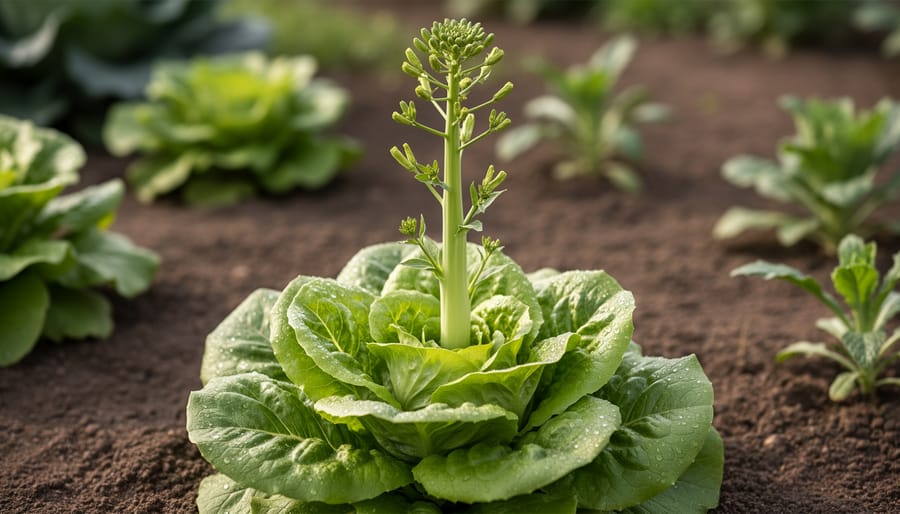
Plant bolting is when your vegetables, herbs, or flowers suddenly shift gears from growing tasty leaves or roots and instead send up a tall flower stalk to produce seeds. It’s the plant’s way of rushing to reproduce before conditions get worse, and it happens when the plant senses stress signals like rising temperatures or longer days. For gardeners, this means the crop you were nurturing for harvest stops putting energy into the parts you want to eat and redirects everything into flowering and seed production.
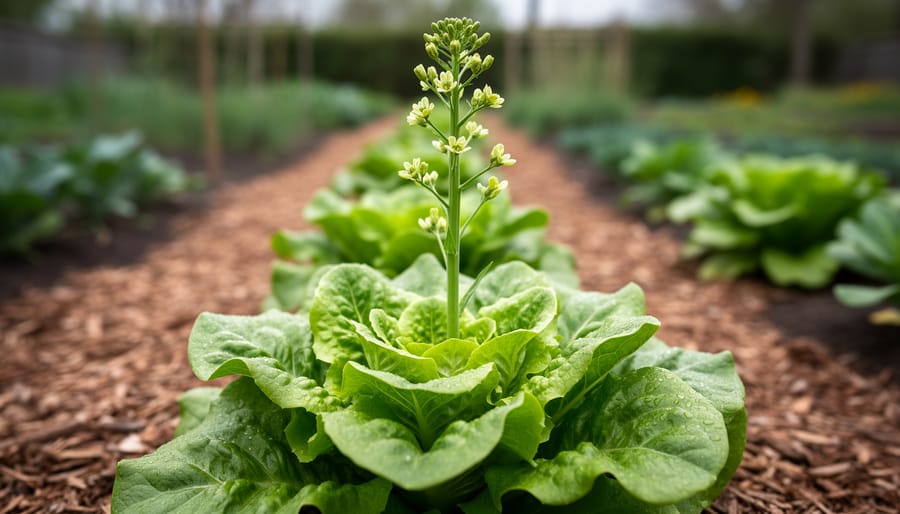
You’ll know bolting when you see it. That compact head of lettuce you were babying suddenly shoots a thick central stalk straight up, sometimes overnight. Your bushy cilantro plant stretches tall and lanky, sprouting delicate white flowers where you wanted more fragrant leaves. Spinach that was producing tender greens transforms into a tower crowned with tiny seed clusters. The change is dramatic and unmistakable.
What makes bolting frustrating is the timing. The plant transitions from vegetative to reproductive flowering before you’re ready to harvest, and once it starts, the quality of your crop declines fast. Lettuce leaves turn bitter. Radishes become woody and hollow. Basil stems get tough and the leaves lose their sweet flavor. The plant isn’t dying or sick, it’s just following its biological programming to make seeds and complete its life cycle.
Here are the essential terms you’ll encounter when dealing with bolting:
- Bolting
- The process where a plant prematurely switches from leafy growth to flower and seed production, triggered by environmental stress.
- Flower Stalk (or Bolt)
- The tall central stem that shoots up rapidly when a plant bolts, carrying flowers and eventually seeds.
- Going to Seed
- Another term for bolting, referring to the plant’s shift toward seed production rather than continued vegetative growth.
- Premature Flowering
- Flowering that occurs earlier than desired for harvest, typically in response to heat, day length changes, or water stress.
Understanding this definition helps you recognize what’s happening in your garden and why that perfect spinach patch suddenly looks more interested in making babies than feeding you dinner.
How Plant Bolting Works
What Triggers Bolting in Your Garden
Plants bolt for reasons that make perfect sense once you understand them, they’re responding to signals that scream “reproduce now before it’s too late!” The most common trigger in home gardens is heat. When temperatures climb, especially during sudden hot spells, cool-season crops like lettuce and spinach switch into emergency mode. Your leafy greens were happily growing until that 85-degree week arrived, and suddenly they’re racing to flower before they wilt.
Day length plays a sneaky role too. Many plants count the hours of daylight each day, and when days stretch past their comfort zone (usually 14-16 hours), they interpret it as summer’s arrival and time to make seeds. This is why spring plantings that seemed fine in April suddenly bolt in late May when the sun lingers until 8 pm.
Temperature and water stress work together as powerful bolting triggers. Inconsistent watering, letting soil dry out, then flooding it, stresses plants and pushes them toward reproduction. I’ve watched my cilantro bolt in just three days after I forgot to water during a heat wave. An irrigation system helps maintain that steady moisture plants need to stay in vegetative growth mode.
Here are the main bolting triggers you’ll encounter:
- Heat waves or sustained temperatures above your plant’s comfort range
- Long summer days that signal “time to reproduce” to day-length sensitive plants
- Inconsistent watering that creates cycles of drought and recovery
- Transplant shock from moving seedlings roughly or at the wrong time
- Overcrowded roots in containers or compacted garden beds
- Plant age, some varieties have a natural tendency to bolt with maturity regardless of conditions
Root disturbance matters more than most gardeners realize. When you transplant seedlings on a hot afternoon or damage roots while weeding, you’ve essentially told the plant its life is in danger. Plants often respond by bolting immediately, trying to set seed before they die.
Sometimes plants bolt simply because they’ve reached a certain age. Even with perfect conditions, a spinach plant that’s 60 days old will eventually want to flower. That’s not a failure on your part, it’s biology running its course.
Types of Plants That Bolt (And When to Expect It)
Cool-Season Crops That Bolt Quickly
I learned this lesson the hard way one May morning when I walked out to find my entire row of buttercrunch lettuce transformed into two-foot flower stalks practically overnight. That’s the reality of cool-season crops, they bolt fast when temperatures climb.
Lettuce tops the list of speed-bolters. Whether you’re growing romaine, butterhead, or leaf varieties, lettuce bolting accelerates the moment daytime temperatures consistently hit the mid-70s. You’ll notice the center leaves suddenly growing tall and tight, then boom, flower stalks appear within days.
Spinach runs a close second. It bolts even faster than lettuce in my experience, especially if you planted late and spring turned warm quickly. The leaves develop a bitter, metallic taste almost immediately.
Arugula and cilantro are the true sprinters. Cilantro is notorious for going to seed in what feels like a blink, I’ve watched healthy plants bolt in under a week during a heat spell. Arugula follows the same pattern, though its flowers are actually edible and peppery.
Other quick-bolters include bok choy, mizuna, and mustard greens. These Asian greens love cool weather but have zero tolerance for heat. Plant them early or wait for fall.
Herbs and Root Vegetables
Basil becomes noticeably bitter once it starts to bolt, and those beautiful leaves you’ve been harvesting turn tough and unappetizing. I’ve learned to pinch off flower buds the moment they appear, which buys you a few more weeks of usable leaves, but eventually the plant’s flavor shifts completely as it commits to seed production.
Parsley takes a different approach. In its second year, it sends up a tall flowering stalk, and while the leaves technically remain edible, they lose that bright, fresh flavor and become increasingly fibrous. Most gardeners treat parsley as done once bolting begins.
Root vegetables present a unique problem. When radishes bolt, they abandon root development entirely. That crisp, peppery radish you were expecting stays small and woody while the plant shoots up a flower stalk instead. Beets do the same thing, channeling energy into flowers rather than sweet, tender roots.
Carrots behave similarly in their second season, though the bolting process itself is less dramatic than with leafy greens. The roots become tough and lose sweetness as the plant prioritizes flowering. Once you see that central stalk forming, the harvest window has essentially closed for quality roots.
How Bolting Affects Your Plants (And Your Harvest)
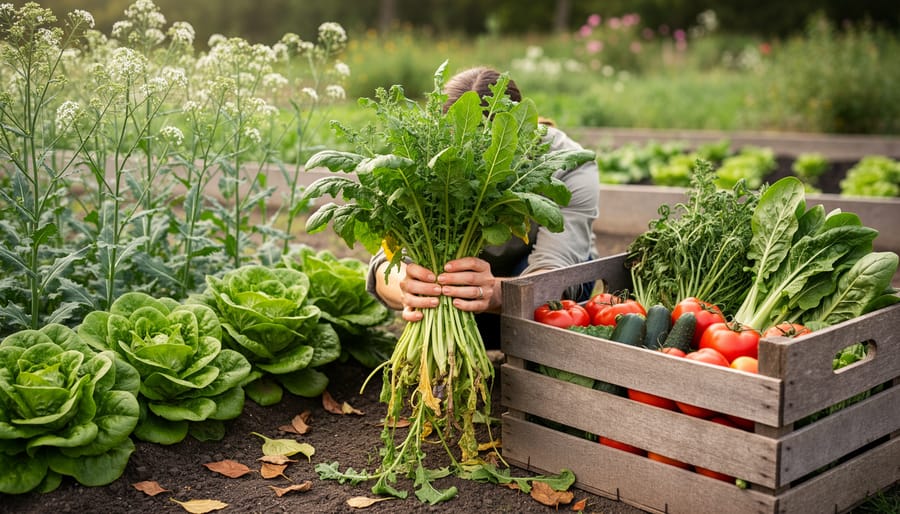
Once bolting kicks in, your plant’s priorities shift completely, and your harvest pays the price. The plant stops putting energy into producing tender leaves, plump roots, or fresh stems. Instead, everything goes toward making flowers and seeds, which means the parts you wanted to eat take a serious hit in both quality and quantity.
The most noticeable change is flavor. Lettuce leaves turn sharply bitter. Spinach develops an unpleasant metallic taste. Cilantro leaves lose their fresh brightness and become almost soapy. This happens because the plant floods its leaves with compounds meant to protect developing seeds from pests, not to make your salad enjoyable. Arugula goes from pleasantly peppery to eye-wateringly harsh. Even a day or two after bolting starts, you’ll taste the difference.
Texture changes too. Root vegetables like radishes and carrots develop woody, fibrous cores that are tough to chew. The flesh becomes pithy and dry instead of crisp and juicy. Beets turn stringy. Herbs like basil get thick, tough stems and smaller, leathery leaves. You’re essentially watching your tender crop turn into something closer to tree bark than food.
Productivity drops off fast. A lettuce plant that was giving you fresh leaves every few days suddenly stops. The outer leaves shrivel while the plant shoots up a central stalk. You might get one last small harvest if you catch it early, but once that flower stalk is more than a few inches tall, new leaf production is essentially over.
That said, not everything about bolting is bad. Those flowers? Pollinators love them. I’ve watched bees swarm bolted cilantro and arugula blossoms in my garden. If you’re not desperate for the harvest, leaving a few bolted plants to flower supports beneficial insects. Plus, if you let them go to seed, you can collect seeds for next season’s planting, or just let them self-sow for volunteer plants later. Bolted dill and cilantro flowers are particularly gorgeous and useful in the garden ecosystem, even if you’ve lost the leaves you wanted for cooking.
Recognizing the Signs of Bolting Early
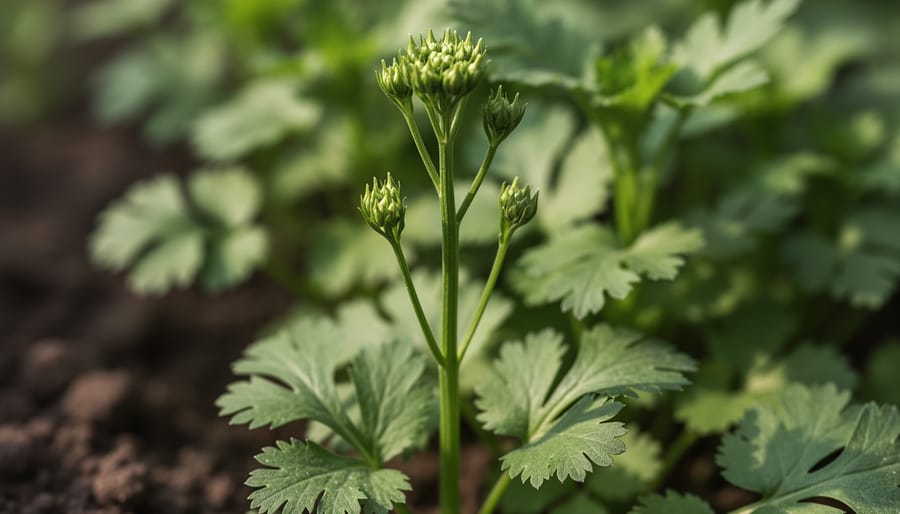
Catching bolting early gives you a chance to salvage some harvest before your plants completely shift into seed production mode. I’ve learned to watch for specific physical changes during my morning garden walks, and you can train your eye to spot them too.
The first sign shows up in the plant’s center. A thick, firm stalk starts pushing upward from the middle of the rosette or leaf cluster. In lettuce and spinach, this central stem feels noticeably different from the tender leaves, it’s tougher, almost woody to the touch. When you run your hand over the top of the plant, you’ll feel that raised bump where there used to be a flat leaf crown.
Leaf appearance changes next. New leaves emerging near the center become smaller, narrower, and more elongated than the typical leaves you’ve been harvesting. In basil, the leaves start looking pointed and sparse. Cilantro develops feathery, delicate foliage that looks completely different from those familiar broad, flat leaves. The plant’s overall shape shifts from bushy and compact to tall and spindly.
Watch the very top of that central stalk closely. Tiny flower buds form there first, often appearing as tight clusters of green bumps. In radishes and arugula, these buds show up fast, sometimes within days of the stalk appearing. Once you see those buds, you have maybe a week before the plant is fully committed to flowering.
Check your plants every day if temperatures suddenly spike or you notice lengthening daylight in spring. A plant that looked fine yesterday can shoot up several inches overnight when conditions trigger bolting. The earlier you spot these changes, the more leaves or roots you can still harvest before the plant’s quality declines.
Common Questions About Plant Bolting
I’ve seen the same panicked questions pop up in gardening forums every spring and summer, so let’s tackle the most common concerns about bolting head-on.
Can you stop bolting once it starts?
Once a plant begins bolting, you can’t reverse the process, the hormonal shift toward flowering and seed production is already underway. Your best bet is to harvest whatever edible parts remain before quality declines further.
Are bolted vegetables safe to eat?
Yes, bolted vegetables are completely safe to eat, though they often taste bitter, tough, or woody. Leafy greens like lettuce and spinach become unpleasantly bitter, while root vegetables like radishes turn fibrous and spicy.
Should you pull bolted plants out of your garden?
It depends on your goals, if you need the garden space for new plantings, pull them. If you have room and want to attract pollinators or experiment with seed saving, let them flower and see what happens.
Can you save seeds from bolted plants?
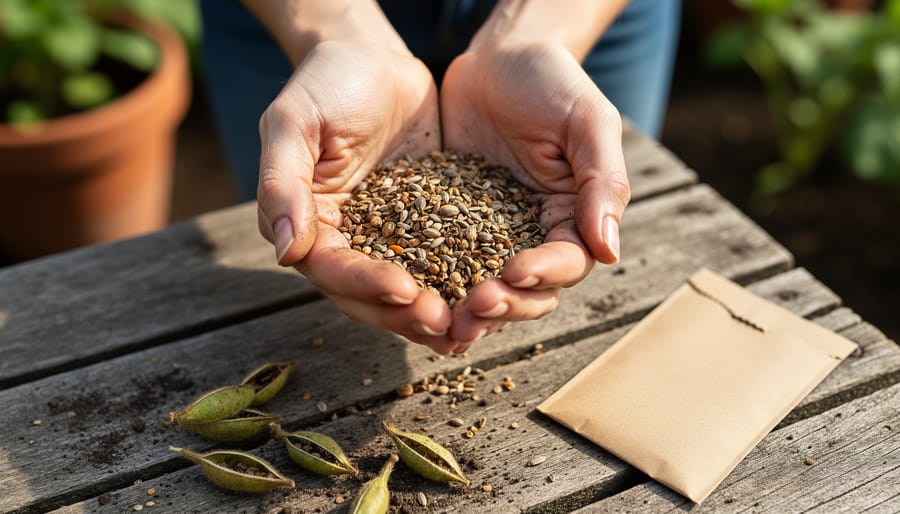
Absolutely, and this is one of the few benefits of bolting. If you let the flowers mature into seed heads, you can learn how to save seeds for next season’s garden, especially from heirloom varieties that grow true to type.
The “is bolting always bad” question deserves a nuanced answer. For harvesting tender leaves or crisp roots, yes, bolting ruins your crop. But bolting serves important purposes in the garden ecosystem, those flower stalks feed bees, butterflies, and beneficial insects that help your whole garden thrive. I’ve watched my bolted cilantro turn into a pollinator magnet, buzzing with activity all afternoon.
Some gardeners intentionally let a few plants bolt as “trap crops” to identify heat-sensitive varieties or to enjoy the flowers. Arugula flowers taste peppery and look beautiful in salads. Bolted lettuce might be too bitter for your salad bowl, but the flowers are edible and the seed heads attract goldfinches to your garden.
The real trick is adjusting your expectations. If you planted late or missed your harvest window, bolting isn’t a personal failure, it’s just the plant doing what plants do. Next season, you’ll time things better, choose slower-bolting varieties, or plant in shadier spots. Every bolted plant teaches you something about your specific garden’s microclimate and timing.
Understanding what bolting means transforms how you approach your garden. It’s simply your plants’ natural response to environmental cues, their biological drive to reproduce before conditions become unfavorable. When you spot those telltale flower stalks shooting up from your lettuce or cilantro, you’re witnessing survival instinct at work, not a reflection of your gardening skills.
Every experienced gardener has watched plants bolt unexpectedly. I’ve lost count of the spinach crops that raced to seed during surprise heat waves, and each time taught me something new about timing, variety selection, or shade management. These moments aren’t failures. They’re valuable data points that help you fine-tune your approach for next season.
Now that you recognize bolting for what it is, a predictable plant behavior triggered by specific conditions, you can start working with your plants’ natural rhythms instead of against them. You’ll make smarter choices about planting times, variety selection, and garden placement. Some plants will still bolt despite your best efforts, and that’s perfectly okay. The goal isn’t perfection; it’s growing food you enjoy while learning along the way. Your garden will teach you everything you need to know.