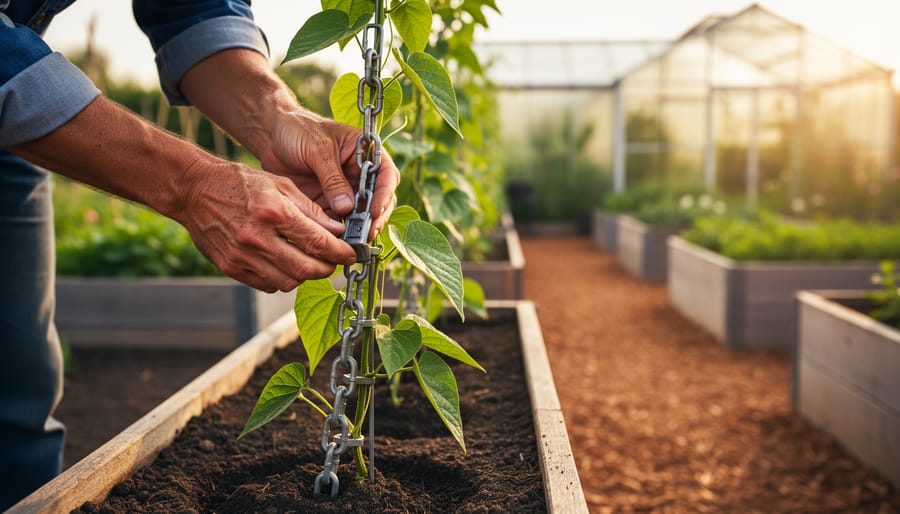
Growing organic THCa cannabis connects directly to the quality of your final extract—whether you’re interested in THC carts or other concentrates, the cultivation methods you choose today determine the purity and potency of tomorrow’s harvest.
**Start with living soil.** Build a thriving microbial ecosystem using compost, worm castings, and mycorrhizal fungi rather than synthetic fertilizers. This foundation feeds your plants naturally while eliminating chemical residues that can compromise extract quality.
**Select certified organic amendments exclusively.** Use kelp meal, bone meal, and bat guano to deliver nutrients without introducing pesticides or heavy metals that concentrate during extraction processes. Your plants absorb what you feed them, and those compounds transfer directly into your THCa-rich trichomes.
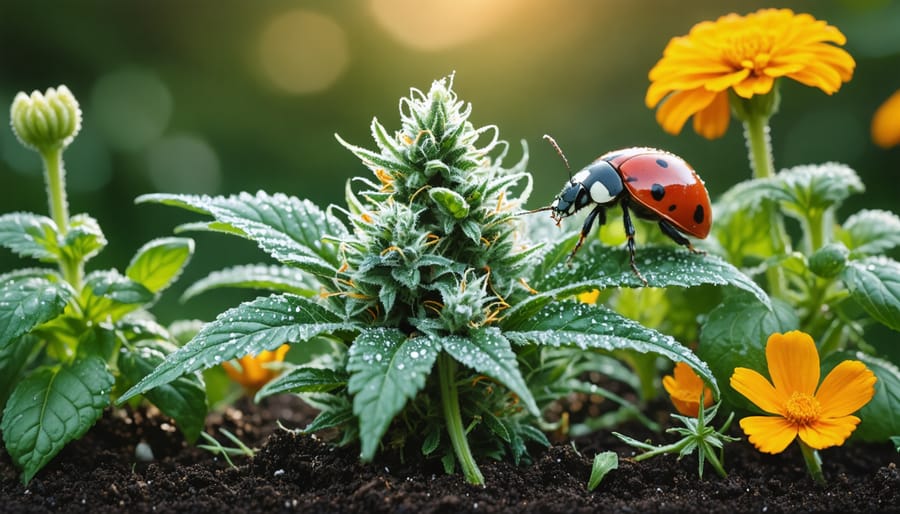
**Implement integrated pest management from day one.** Deploy beneficial insects like ladybugs and predatory mites, companion plant with basil and marigolds, and apply neem oil preventatively. Chemical pesticides leave residues that become more concentrated in extracts, potentially creating unsafe vape products.
**Monitor soil pH weekly using organic buffers.** Maintain levels between 6.0-7.0 with dolomite lime or sulfur, ensuring optimal nutrient uptake without synthetic pH adjusters that leave mineral deposits.
The journey from seed to clean extract begins in your garden bed. Every organic choice you make protects the integrity of your THCa molecules, creating safer, purer products for vaporization. This guide will walk you through each cultivation stage with practical, garden-tested techniques that honor both plant health and final product quality.
What Makes THCa Cannabis Different from Regular Cannabis
If you’re familiar with growing tomatoes or basil, you already know that timing matters when it comes to harvesting for peak freshness and flavor. Cannabis is no different, and understanding THCa is key to growing the highest quality plants for extraction purposes.
THCa, or tetrahydrocannabinolic acid, is the natural compound found in living cannabis plants before any heating occurs. Think of it like the difference between a fresh herb versus a dried one—both valuable, but with distinct properties. When cannabis grows in your garden, it produces THCa, not THC. This raw form remains non-psychoactive until heat transforms it through a process called decarboxylation, similar to how cooking changes the chemical structure of many vegetables.
Here’s what makes cultivating for THCa unique: you’re essentially growing for maximum freshness and preserving that raw plant chemistry. Just as you’d pick lettuce at its peak crispness, THCa-focused cultivation requires precise timing and gentle handling to maintain the delicate acid form of the cannabinoid.
Regular cannabis cultivation often focuses on drying and curing flowers, but THCa extraction demands different priorities. Your plants need optimal conditions right up until harvest—think consistent temperatures, proper humidity levels, and careful nutrient management. The goal is producing trichome-rich flowers with high THCa concentrations that remain stable until extraction.
The growing conditions matter even more because any stress, temperature fluctuations, or premature degradation can convert THCa prematurely or reduce overall potency. It’s like growing heirloom tomatoes versus standard varieties—the techniques overlap, but the attention to detail intensifies.
For home gardeners, this means paying closer attention to your final few weeks before harvest, maintaining ideal environmental conditions, and planning your harvest timing around extraction schedules rather than traditional curing timelines. The good news? If you’ve successfully grown other sensitive crops like delicate herbs or specialty vegetables, you already have transferable skills for THCa cultivation.
Why Organic Matters More for THCa Vape Cartridges
The Extraction Process and Why Purity Starts in the Soil
Think of making THCa concentrates like reducing a garden-fresh tomato sauce—whatever’s in your starting material becomes more concentrated in the final product. When extractors make vape cartridges, they’re essentially distilling your cannabis down to its essence, removing plant matter while keeping the cannabinoids. It’s similar to how you might extract vanilla into alcohol or make herbal tinctures in your kitchen.
Here’s where organic growing becomes absolutely critical: any pesticides, heavy metals, or synthetic chemicals present in your plants don’t disappear during extraction. Instead, they concentrate right alongside the THCa you’re trying to isolate. Imagine reducing ten pounds of conventionally-grown produce into one cup of sauce—you’d also be concentrating any residual sprays or fertilizers by the same ratio.
When you grow organically, starting with clean, living soil full of beneficial microbes and natural nutrients, you’re ensuring that only good things make it into your final extract. The soil acts as your first line of defense. Healthy organic soil filters and buffers, while synthetic growing mediums can allow contaminants to pass directly into plant tissue.
I learned this lesson years ago when making my first batch of herbal oils—the quality of what you grow determines everything downstream. With concentrates potentially being 60-90% pure cannabinoids, that starting purity matters more than ever. Clean soil equals clean medicine, plain and simple.
Health Benefits of Organic Cannabis Cultivation
Growing organic THCa cannabis offers remarkable health advantages that every home gardener should consider. When you embrace sustainable gardening practices, you’re creating a cleaner product from soil to vapor.
For you as the grower, working without synthetic pesticides and chemical fertilizers means less exposure to potentially harmful substances during cultivation. Your hands, lungs, and overall wellbeing benefit from this natural approach—think of it like choosing organic vegetables for your dinner table, but applied to your garden project.
The real magic happens for end-users. Organically grown THCa cannabis produces significantly cleaner vapor when extracted for cartridges. Without chemical residues from synthetic pesticides or fertilizers, there’s nothing unwanted making its way into the final product. It’s similar to the difference between breathing fresh mountain air versus city smog.
Many home growers report that their organically cultivated plants produce smoother, more flavorful extracts. The plant’s natural terpene profile shines through without chemical interference, creating a purer experience that honors your careful cultivation efforts.
Setting Up Your Organic THCa Cannabis Garden
Choosing the Right Location and Environment
Finding the perfect spot for your THCa cannabis plants is like choosing real estate—location truly matters! Your decision between indoor and outdoor cultivation will significantly impact THCa preservation and your overall success.
**Indoor vs. Outdoor Considerations**
Indoor growing offers superior environmental control, which is crucial for maximizing THCa content. You’ll manage every detail, from light cycles to temperature fluctuations. Check out our indoor growing tips for creating an ideal setup. Outdoor cultivation can work beautifully in climates with stable conditions, though you’ll need to monitor weather patterns carefully.
**Light Requirements**
THCa-rich plants thrive with 18 hours of light during vegetative growth and 12 hours during flowering. Natural sunlight works wonderfully outdoors, but indoors, full-spectrum LED or HPS lights preserve those valuable cannabinoids while keeping temperatures manageable.
**Temperature and Humidity Sweet Spots**
Think of cannabis like tropical houseplants—they appreciate consistency! Maintain temperatures between 70-80°F during light periods and slightly cooler at night. Higher temperatures can actually convert THCa to THC prematurely, which isn’t what we’re after.
Humidity needs shift throughout growth stages. Seedlings love 65-70% humidity, while flowering plants prefer 40-50% to prevent mold and preserve trichomes—those tiny, crystal-like structures holding precious THCa. A simple hygrometer helps you monitor conditions, and small humidifiers or dehumidifiers make adjustments easy. Remember, stable environments equal happy plants and maximum THCa preservation!
Building Organic Soil That Maximizes THCa Production
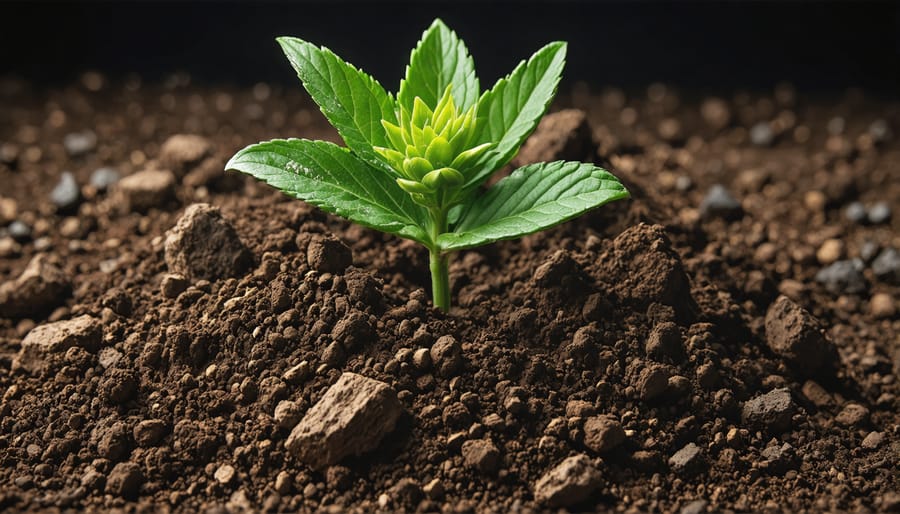
Creating nutrient-rich organic soil is the foundation of producing high-quality THCa cannabis, and the good news is you can build it yourself! Think of soil as your plant’s home kitchen—when it’s stocked with the right ingredients, your cannabis can cook up impressive cannabinoid levels naturally.
Start with a base of quality organic potting mix or composted soil. For a simple DIY recipe that works beautifully, mix together: 1/3 peat moss or coco coir, 1/3 compost, and 1/3 perlite or pumice for drainage. This creates the perfect foundation, much like building healthy soil for any premium garden crop.
Now for the amendments that really boost cannabinoid production! Add worm castings at about 10-15% of your total soil volume—they’re packed with beneficial microbes that help your plants absorb nutrients more efficiently. I like to think of worm castings as nature’s slow-release fertilizer that keeps giving throughout the growing season.
Next, incorporate these mineral supplements for optimal THCa development:
**Kelp meal** (1-2 tablespoons per gallon of soil) provides trace minerals and plant hormones that support resin production. **Rock phosphate** or bone meal (1 tablespoon per gallon) supplies phosphorus, crucial during flowering when THCa accumulates. **Azomite or glacial rock dust** (1 tablespoon per gallon) delivers a full spectrum of micronutrients that enhance cannabinoid synthesis.
Mix in some **mycorrhizal fungi** when transplanting—these beneficial organisms form partnerships with roots, dramatically improving nutrient uptake. Finally, add **biochar** (5-10% by volume) to retain moisture and provide housing for beneficial microbes.
Let your soil mix “cook” for 2-3 weeks before planting, keeping it slightly moist. This allows the amendments to integrate and microbial populations to establish. Your cannabis plants will thank you with robust growth and exceptional THCa production!
Organic Feeding and Nutrient Management for Peak THCa Levels
Vegetative Stage Nutrition
During the vegetative stage, your THCa cannabis plants are building their foundation—think of it like raising a teenager who needs lots of protein! This is when organic nitrogen becomes your best friend. I like to start with a gentle compost tea made from well-aged compost, brewed for 24-48 hours with an aquarium pump for aeration. It’s incredibly easy and smells earthy rather than unpleasant when done right.
Fish emulsion is another fantastic organic option, though I’ll warn you—it has a strong smell that fades quickly. Dilute it to half-strength initially (about 1 tablespoon per gallon) and apply every 7-10 days. Your plants will reward you with deep green, vigorous growth.
For a DIY boost, try nettle tea! Simply steep fresh nettles (wear gloves!) in water for a week, strain, and dilute 1:10. It’s packed with natural nitrogen and trace minerals.
Kelp meal worked into your soil provides steady nutrition, while alfalfa meal adds both nitrogen and natural growth hormones. The beauty of organic feeding is that it’s nearly impossible to “burn” your plants—nutrients release slowly as soil microbes break them down, creating that quality foundation that translates directly to cleaner, more flavorful extracts later.
Flowering Stage: Boosting THCa Development Naturally
The flowering stage is where the magic happens—your cannabis plants begin producing those precious cannabinoids, including THCa. Think of this phase like preparing a gourmet meal; the ingredients you add now directly influence the final flavor and potency of your harvest.
During flowering, your plants crave phosphorus and potassium to support robust bud development. Instead of reaching for synthetic bottles, try organic alternatives that feed both your plants and the beneficial microbes in your soil. Bone meal and rock phosphate are excellent phosphorus sources that release nutrients gradually, while wood ash (used sparingly) and kelp meal deliver potassium alongside trace minerals. I personally love using banana peel tea—it sounds quirky, but those peels are packed with potassium! Simply soak chopped peels in water for 48 hours and use the liquid as a gentle fertilizer.
Micronutrients become crucial during cannabinoid formation. Your plants need sulfur, magnesium, and trace elements like boron and zinc to maximize THCa production. Epsom salt provides readily available magnesium and sulfur—dissolve a tablespoon per gallon of water and apply every two weeks. Compost tea remains your secret weapon here, delivering a full spectrum of micronutrients through diverse organic matter.
Here’s a practical tip: reduce nitrogen during mid-to-late flowering. Too much nitrogen encourages leafy growth rather than resin production. Shift to bloom-focused amendments with higher P-K ratios while maintaining that living soil you’ve carefully cultivated.
Remember, organic feeding is about patience. These nutrients work slower than synthetics but create a more complex cannabinoid and terpene profile that many growers believe produces superior quality extracts. Your soil ecosystem is working tirelessly to transform these organic inputs into plant-available nutrients naturally.
Natural Pest and Disease Management
Prevention Through Companion Planting
Nature provides incredible pest control solutions right in your garden! Just like tomatoes love basil, your THCa cannabis plants thrive alongside certain companion plants that naturally repel unwanted visitors while attracting beneficial insects.
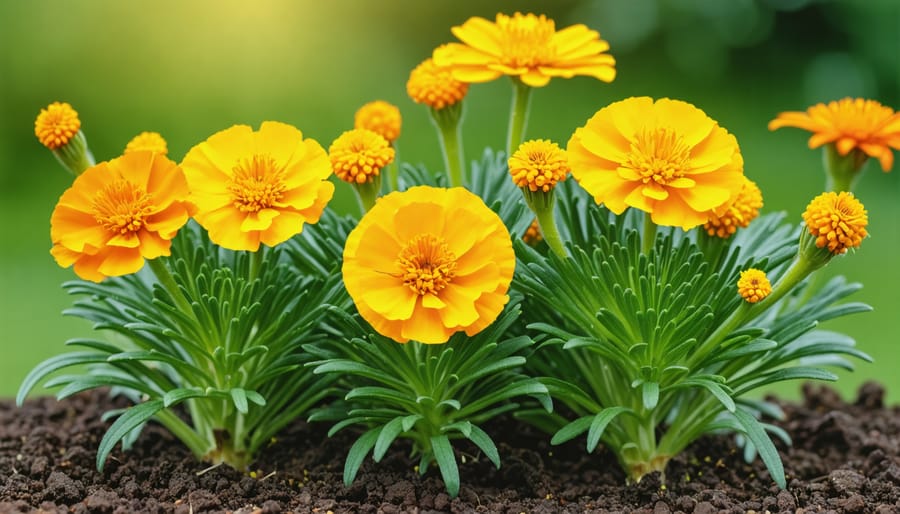
Marigolds are your first line of defense—these cheerful flowers release a scent that sends aphids, whiteflies, and spider mites packing. Plant them around your garden’s perimeter for maximum protection. I’ve watched marigolds transform struggling gardens into thriving ecosystems countless times!
Basil doesn’t just complement your cooking; it deters thrips and beetles while improving overall plant vigor. Plant it between your cannabis to create a fragrant, protective barrier.
Lavender and peppermint work wonders against moths and ants, plus they attract pollinators and predatory insects that feast on pests. These aromatic herbs add beauty while working overtime as natural bodyguards.
Dill and yarrow invite lacewings and ladybugs—nature’s pest control team—to set up shop in your garden. These beneficial insects devour aphids and mites before they become problems.
For more detailed companion planting strategies, remember that diversity creates resilience. Mix and match these companions to create a balanced, self-protecting garden ecosystem that keeps your THCa plants healthy without synthetic interventions.
Organic Treatment Options When Problems Arise
When pests or diseases show up in your THCa cannabis garden, don’t panic! Organic solutions work beautifully when you catch problems early during your daily walk-throughs.
Neem oil is my go-to remedy for many common issues. This natural oil extracted from neem tree seeds works wonders against spider mites, aphids, and powdery mildew. Mix it according to package directions and spray during cooler evening hours to avoid leaf burn. I learned this the hard way after applying it in midday sun—those poor leaves!
Insecticidal soaps offer another gentle yet effective option. These specially formulated soaps break down the protective coating on soft-bodied pests like whiteflies and thrips without harming your plants. They’re perfect for spot-treating affected areas.
Here’s where it gets exciting: beneficial insects are nature’s pest control team! Ladybugs devour aphids, while predatory mites hunt down spider mites. You can actually purchase these helpful garden allies online and release them among your plants. It’s incredibly satisfying watching them patrol your garden like tiny security guards.
For fungal issues, try diluted hydrogen peroxide spray or potassium bicarbonate solutions. These organic treatments interrupt fungal growth without introducing harsh chemicals.
Remember, successful integrated pest management combines multiple strategies. Rotate your treatments to prevent resistance, and always test new products on a small area first. With patience and consistency, you’ll maintain a healthy, organic garden that produces premium THCa-rich flowers.
Harvesting and Handling for Maximum THCa Preservation
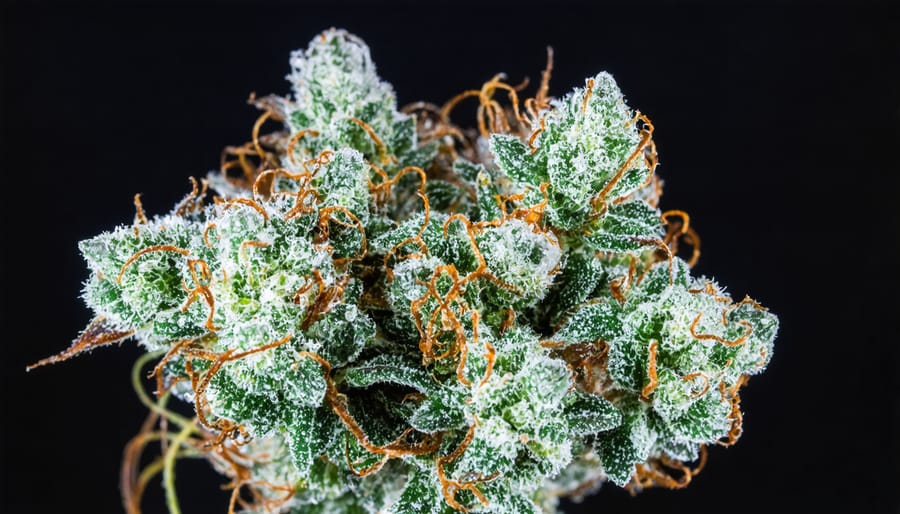
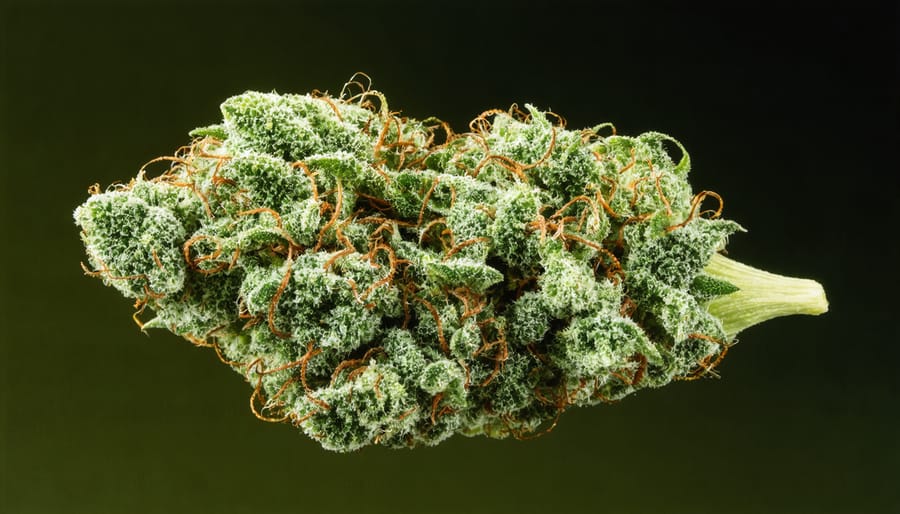
Timing your harvest correctly makes all the difference when preserving THCa content in your cannabis plants. Think of it like picking tomatoes at peak ripeness—wait too long, and you’ve missed the perfect moment. For maximum THCa preservation, you’ll want to harvest when trichomes (those tiny, crystal-like structures on the buds) appear milky white with just a few turning amber. A simple jeweler’s loupe or magnifying glass lets you check these up close, and it’s honestly one of the most satisfying parts of the growing process!
Plan your harvest for early morning, right after the lights come on if you’re growing indoors, or just after sunrise outdoors. During this time, your plants have maximum turpene and cannabinoid content because they haven’t been stressed by heat or light throughout the day. It’s similar to harvesting basil before the sun gets too intense—the flavor compounds are at their peak.
Handle your plants gently during harvest to avoid damaging those precious trichomes. Wear clean gloves to prevent introducing contaminants, and use sharp, sterilized pruning shears for clean cuts. I recommend cutting branches individually rather than chopping down the whole plant at once, which gives you better control and reduces stress on the plant material.
Temperature control matters immediately after cutting. Keep your harvested branches in a cool, dark space—ideally between 60-70°F with 45-55% humidity. This prevents THCa from converting to THC through heat and light exposure, which is exactly what you’re trying to avoid when preserving THCa content.
Finally, maintain your organic integrity right through harvest by keeping everything clean without harsh chemicals. Wash your tools with hot water and organic soap, and avoid any synthetic disinfectants that could contaminate your carefully cultivated organic buds. Your dedication to organic practices shouldn’t end the moment you make that first cut!
Common Mistakes That Compromise Your Organic THCa Crop
Even experienced gardeners can stumble when growing organic THCa-rich cannabis—I’ve certainly had my share of “learning moments” in the garden! The good news? Most mistakes are easily preventable once you know what to watch for.
**Contamination** is perhaps the biggest concern, especially since you’re growing for extracts. I once watched a friend lose an entire crop because they used regular garden compost that contained pesticide residues from non-organic materials. Always verify that *everything* touching your plants—from soil amendments to foliar sprays—carries organic certification. Even hand tools should be cleaned between uses if you’ve been working with conventional plants elsewhere in your garden.
**Timing errors** frequently compromise THCa content. Many enthusiastic growers harvest too early, thinking those white pistils mean they’re ready. Instead, invest in a simple jeweler’s loupe (they’re inexpensive!) and check those trichomes. You want them mostly cloudy with some amber—clear trichomes mean your THCa hasn’t fully developed yet. It’s like picking tomatoes when they’re still green; patience truly pays off.
**Environmental problems** sneak up on everyone. Temperature swings are particularly problematic during the final flowering weeks when THCa production peaks. I learned this the hard way during an unexpected cold snap! Keep your growing space between 65-80°F, and monitor humidity closely—above 55% invites mold, which ruins everything.
Remember, every mistake teaches you something valuable for your next grow. Start small, observe carefully, and don’t get discouraged. Your dedication to organic methods already puts you ahead of the curve for producing clean, high-quality THCa extracts!
If you’ve successfully grown tomatoes, herbs, or flowers in your garden, you already possess the fundamental skills needed for organic THCa cannabis cultivation. The same principles that help you nurture healthy basil or vibrant roses—understanding soil health, managing water efficiently, and creating balanced growing environments—translate directly to cultivating premium THCa-rich plants. Think of it as adding another rewarding crop to your gardening repertoire, one that demands the same attention to detail and care you already bring to your favorite plants.
The beauty of organic cultivation lies in how it naturally produces superior end products. Just as organic tomatoes taste noticeably better than their conventional counterparts, organically grown THCa cannabis develops richer terpene profiles and cleaner extracts. You’re not just growing a plant; you’re crafting quality from the ground up, literally. Every composting technique you’ve mastered, every pest management strategy you’ve learned, and every watering schedule you’ve perfected contributes to producing cleaner, more potent material for extraction.
This specialized form of gardening offers unique satisfaction—watching your plants flourish while knowing you’re creating something exceptional through natural methods makes every harvest deeply rewarding.