The 5 soil health principles are a science-backed framework for building and maintaining living, productive soil: minimize disturbance, keep the soil covered, maximize plant diversity, maintain living roots year-round, and integrate livestock or compost. Developed by the USDA Natural Resources Conservation Service and widely adopted across regenerative agriculture, these principles work together to feed soil microorganisms, prevent erosion, and create the kind of rich, crumbly earth that makes everything you plant thrive.
You might wonder why soil needs five whole principles when a bag of fertilizer seems to do the job. The truth is, healthy soil isn’t just dirt plus nutrients. It’s a living ecosystem where billions of bacteria, fungi, and other organisms break down organic matter, create air pockets, hold moisture, and make nutrients available to plant roots. When that ecosystem collapses through repeated tilling, bare ground, or chemical overuse, you end up with compacted, lifeless soil that requires more and more inputs every season.
These five principles aren’t new agricultural theory. They’re observations of how undisturbed natural ecosystems like prairies and forests build deep, fertile soil over time. What makes them powerful for home gardeners is their flexibility. You don’t need acreage or fancy equipment to apply them. A small raised bed, a container garden, or a backyard plot can all benefit from the same biological principles that commercial regenerative farms use.
In this article, you’ll learn exactly what each principle means, how the mechanisms actually work beneath the surface, and specific ways to put them into practice in your own garden this season.
What Soil Health Principles Mean for Your Garden
Soil health principles are guidelines that help you garden the way nature already does, by working with the living systems beneath your feet rather than fighting against them. Think of them as a blueprint for creating a thriving underground community where billions of microorganisms, fungi, worms, and plant roots all cooperate to build fertile, resilient soil. Instead of relying solely on fertilizers and chemical inputs, these principles tap into nature’s own processes to feed plants, suppress diseases, and improve water retention.
These five principles form the backbone of integrated soil and plant health strategies because they address how soil shapes gardens from the ground up. When you minimize disturbance, keep soil covered, maintain living roots, increase diversity, and integrate animals, you’re essentially creating a self-sustaining ecosystem that does much of the heavy lifting for you. The result is soil that holds moisture during dry spells, drains well during heavy rains, and produces healthier plants with fewer pest problems.
To understand these principles better, it helps to know a few key concepts:
- Soil Biology
- The living organisms in soil, bacteria, fungi, protozoa, nematodes, and earthworms, that break down organic matter, cycle nutrients, and create healthy soil structure.
- Organic Matter
- Decomposed plant and animal material that feeds soil life, improves soil structure, and holds water and nutrients for plant roots to access.
- Soil Structure
- The arrangement of soil particles into aggregates or clumps, creating pore spaces that allow air, water, and roots to move through the soil easily.
- Living Roots
- Active plant roots that release sugars and carbon compounds to feed soil microbes, which in turn provide nutrients back to plants in a mutually beneficial exchange.
The beauty of this approach is that you’ll notice real differences in your garden. Plants grow stronger root systems, tomatoes taste better, and you spend less time watering and fertilizing. One gardener I know switched to these methods three years ago and now uses half the water she used to, with healthier plants that shrug off problems her neighbors still struggle with.
How the 5 Soil Health Principles Work Together
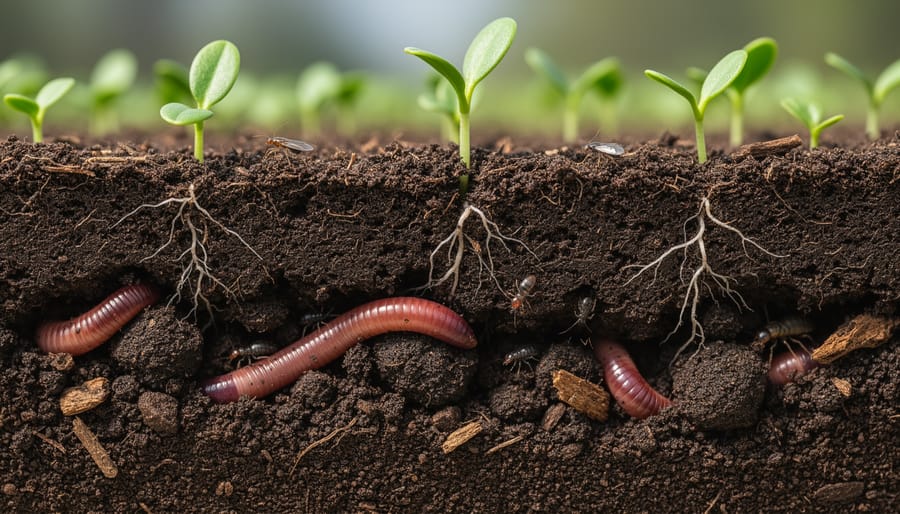
The five soil health principles aren’t a checklist where you pick and choose what sounds easy. They’re more like ingredients in a recipe, each one makes the others work better, and when you combine them, something magical happens underground.
Think of your garden soil as a bustling neighborhood. When you minimize disturbance, you preserve the underground “roads” and “tunnels” that organisms have built. Keeping the soil covered protects these residents from harsh weather and provides them with a steady food supply. Living roots act like 24-hour restaurants feeding the microbial community, which in turn breaks down organic matter and makes nutrients available to your plants. Plant diversity ensures there’s something for everyone, different root types, different food sources, and different benefits. When you integrate animals (even just composting worms), their contributions accelerate nutrient cycling and add another layer to the system.
Here’s what I’ve seen in my own garden: the first year I tried no-till methods with permanent mulch, my tomatoes were okay but not amazing. The second year, after keeping roots active through winter with cover crops and adding more plant variety, the difference was stunning. The soil felt softer, held moisture better after rain, and my plants seemed to shrug off minor pest problems. I wasn’t doing anything revolutionary in year two, I was just letting the principles stack and amplify each other. That’s the real power of this approach.
The 5 Core Principles of Soil Health
1. Minimize Soil Disturbance
Every time you turn the soil, you’re tearing apart tiny highways. Beneath the surface, soil particles cluster into aggregates, clumps held together by fungal threads, sticky substances from bacteria, and decaying plant matter. These aggregates create pore spaces where air, water, and roots can move freely. When you till or dig, you collapse these structures, break fungal networks, and expose organic matter to rapid decomposition.
Reducing tillage intensity protects the soil food web, the earthworms, beetles, fungi, and billions of bacteria that make nutrients available to your plants. Disturbance forces these organisms to rebuild from scratch, which drains energy that could otherwise go into feeding your tomatoes or roses.
For home gardeners, minimizing disturbance doesn’t mean you can never touch the soil. It means working with the surface instead of flipping layers. Try sheet mulching: lay down cardboard over weeds, then pile on compost and wood chips. The cardboard smothers unwanted plants while worms and microbes slowly incorporate organic matter downward. You can plant right into the top layer.
When planting seedlings, dig only the hole you need rather than tilling an entire bed. For adding amendments like compost, spread them on top and let rain and soil life work them in. If you’re transitioning from a tilled garden, start with one bed. You’ll notice the soil feels spongier within a season, and your plants will root more easily into that undisturbed structure.
2. Keep the Soil Covered
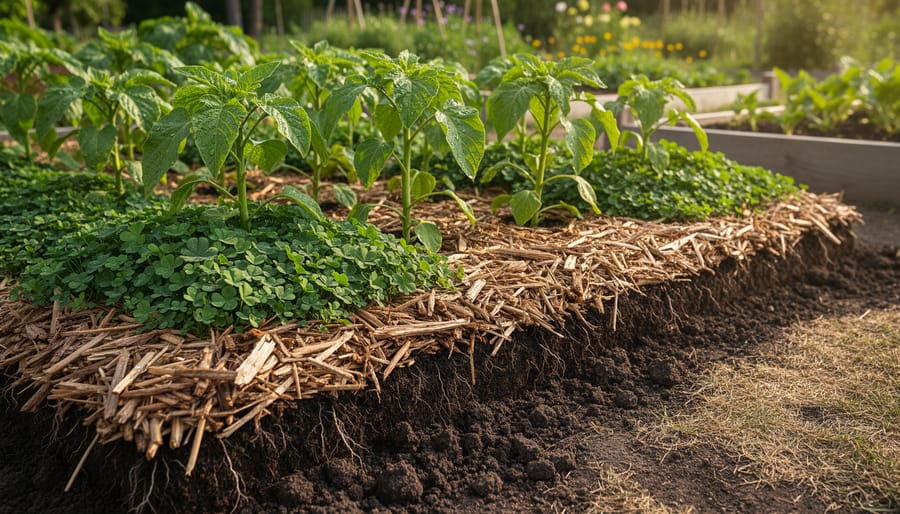
Bare soil is like leaving your house without a roof, it’s exposed to every weather extreme and loses what matters most. When you keep soil covered, you’re creating a protective layer that moderates temperature swings, holds moisture, and gives beneficial organisms a place to thrive.
Mulch is the easiest place to start. Organic options like shredded leaves, straw, or wood chips do double duty, they shield the soil surface and gradually break down into food for earthworms and microbes. A 2-3 inch layer around vegetables and ornamentals prevents erosion during heavy rain, keeps roots cooler in summer (studies show ground cover lowers soil temperature by several degrees), and smothers weed seeds before they sprout. Grass clippings work well between rows, while shredded bark suits perennial beds. Just pull mulch back a few inches from plant stems to prevent rot.
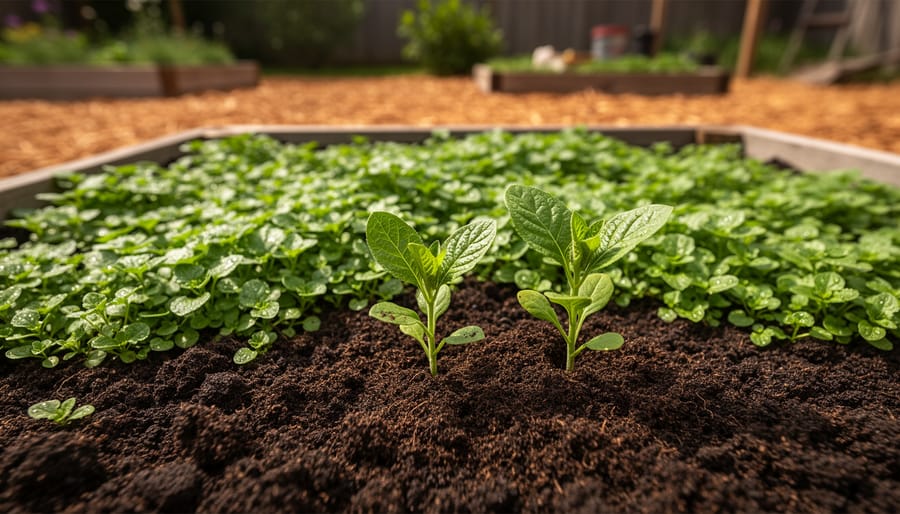
Cover crops take the concept further by keeping living roots in the soil during off-seasons. For home gardeners, this might mean sowing crimson clover or winter rye in empty vegetable beds after fall harvest. These plants grow through cooler months, then you cut them down in spring and let them decompose in place as a nutrient-rich mulch. Even a simple planting of buckwheat between summer crops adds coverage and attracts pollinators.
The key is never leaving soil naked. Even leaving old tomato plants or spent flower stalks as mulch beats raking everything bare.
3. Maintain Living Roots Year-Round
Living roots do more than anchor plants, they’re like a 24/7 cafeteria for the microscopic workers that keep your soil healthy. When roots are actively growing, they release sugars and proteins into the surrounding soil, feeding billions of beneficial bacteria and fungi. These microbes, in turn, break down organic matter, cycle nutrients, and create the glue-like substances that hold soil particles together. Without living roots year-round this biological workforce essentially goes dormant or dies off, and your soil loses much of its structure and fertility.
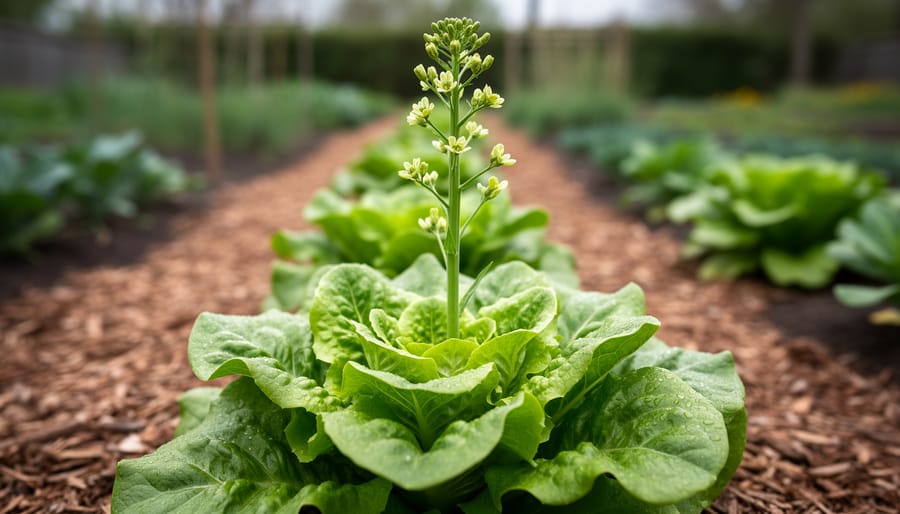
The trick is thinking beyond the main growing season. In my garden, I’ve learned to overlap plantings so something is always growing. Start cool-season crops like lettuce, peas, or spinach in early spring, then transition to warm-season vegetables, and plant another round of cool-season greens in late summer for fall harvest. Perennials like asparagus, rhubarb, or herbs keep roots working even when you’re not actively harvesting.
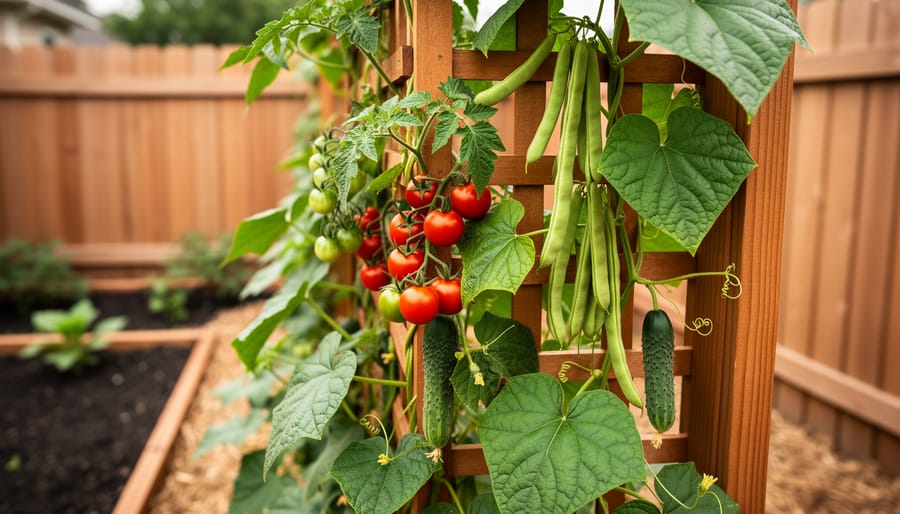
Cover crops fill the gaps beautifully. Sow clover, winter rye, or hairy vetch after you pull out summer tomatoes. These plants protect soil from erosion, suppress weeds, and pump organic matter into the ground. For vertical gardens, climbing crops like beans or cucumbers maximize space while keeping roots active.
Even a simple strategy, leaving some vegetable roots in place after harvest instead of pulling everything out, keeps the soil biology fed and the underground ecosystem humming.
4. Increase Plant Diversity
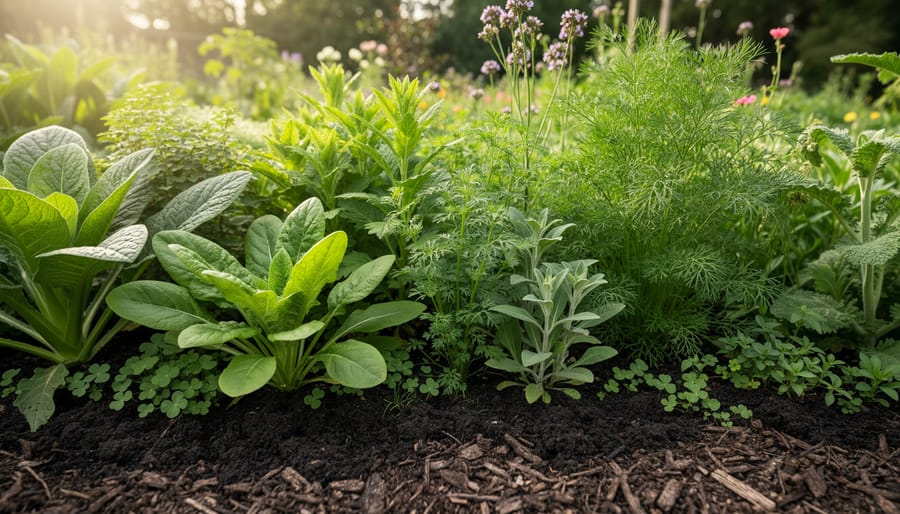
Planting a variety of crops does more than create a pretty garden, it feeds different soil microbes, disrupts pest cycles, and builds natural resilience. When you grow just one or two types of plants year after year, you’re essentially setting the same table for the same guests. The soil life gets one-sided, and pests that love your favorite crop know exactly where to find dinner.
Mixing things up keeps your soil ecosystem thriving. Different plants have different root depths and nutrient needs, so they tap into various soil layers and feed diverse microbial communities. A garden with tomatoes, basil, lettuce, beans, and flowers supports far more beneficial organisms than rows of tomatoes alone. This diversity helps suppress diseases, improves nutrient cycling, and creates habitat that can support pollinators and beneficial insects.
Start simple: practice crop rotation by moving plant families to different beds each season (tomatoes and peppers one year, beans and peas the next). Try companion planting, pairing compatible plants like carrots with onions or squash with corn. Even in containers, you can combine herbs, flowers, and vegetables in the same pot.
Don’t overthink it. Adding a few new varieties each season, a couple of different greens, an unfamiliar herb, flowering plants among your vegetables, makes a real difference. Your soil will reward you with healthier plants and better harvests.
5. Integrate Animals (When Possible)
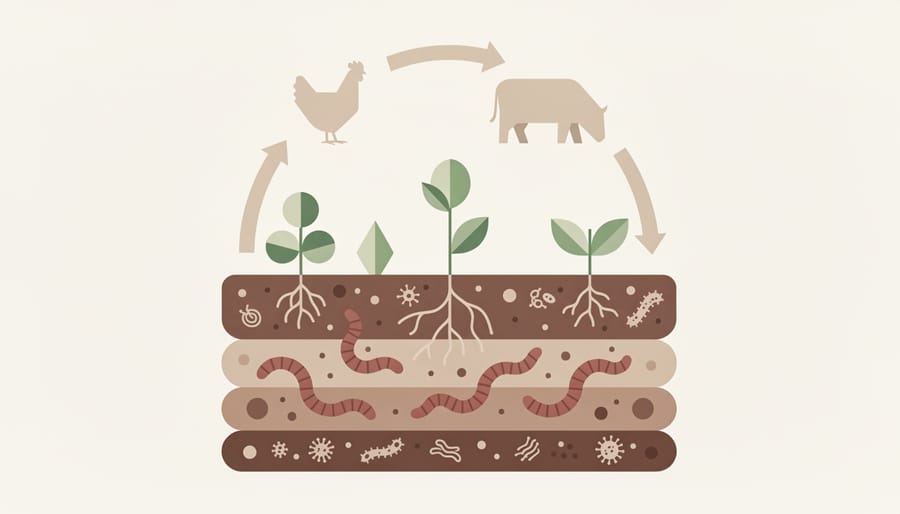
Animals bring life to soil in ways that plants alone can’t match. Their manure adds organic matter and nutrients. Their scratching and pecking breaks up compacted areas without heavy tilling. Even their grazing stimulates plant growth and root development, creating a more dynamic soil ecosystem.
For most home gardeners, backyard chickens are the easiest entry point. A small flock turns kitchen scraps into nitrogen-rich manure while aerating garden beds as they forage. Just rotate them through different areas using movable fencing, let them work a bed after harvest, then move them before planting. Their scratching incorporates compost naturally and controls pests at the same time.
No room for chickens? Worm bins offer the same soil-building benefits on a smaller scale. Red wigglers transform vegetable scraps into finished compost in weeks, and their castings are packed with beneficial microbes. You can keep a bin in a garage, basement, or under a kitchen sink.
Even without keeping animals yourself, you can invite wildlife to participate. Ground beetles, earthworms, and beneficial insects all contribute to soil health. Leave some leaf litter, add a water source, and skip pesticides. Native bees nest in undisturbed soil and pollinate your plants. Birds scratch through mulch hunting for insects, mixing organic matter as they go.
The key is working with animals at whatever scale fits your space and commitment level.
Applying These Principles in Your Garden
You don’t need to overhaul your entire garden at once. Pick one or two principles that feel easiest to start with, then layer in others as you gain confidence. If you’re already mulching your beds, you’re halfway there, now add a simple cover crop like crimson clover in a fallow bed this fall, and you’ve combined two principles without breaking a sweat.
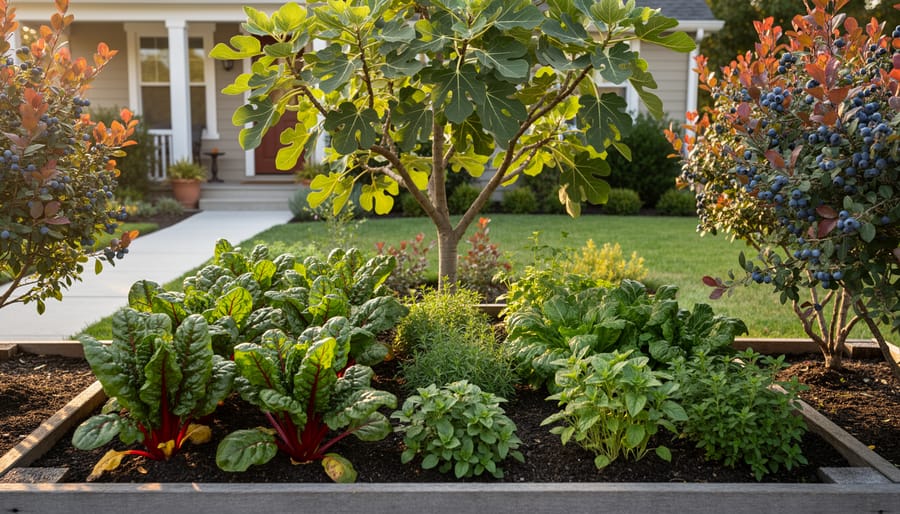
Different garden types need different approaches. In raised beds, you can easily apply all five principles by mulching heavily, planting densely to keep roots active, and adding diversity through succession planting. In-ground gardens benefit most from reducing tillage and keeping soil covered year-round. Container gardens have limitations, but you can still maintain living roots, rotate crops between pots, and top-dress with compost instead of disturbing the soil structure.
Here are quick actions you can take this week to start building healthier soil:
- Spread a two-inch layer of shredded leaves or straw over bare soil (principle 2)
- Plant a fast-growing cover crop like buckwheat in any empty bed (principle 3)
- Add two new vegetable varieties you’ve never grown before to next season’s plan (principle 4)
- Set up a small worm bin for kitchen scraps (principle 5)
- Mark one bed as “no-dig” and commit to surface composting only (principle 1)
Think seasonally. Spring is perfect for establishing diverse plantings and adding mulch. Summer lets you see which low-water plants thrive with minimal disturbance. Fall is cover crop time. Winter? That’s when your soil life rests under protective mulch while you plan next year’s diversity.
Start where you are. If you’ve got a small balcony with three containers, focus on keeping roots growing with succession plantings and adding compost tea instead of chemical fertilizers. If you’ve got a quarter-acre, tackle one principle per season. Soil health isn’t built in a weekend, it’s the cumulative result of dozens of small, consistent choices that work with nature instead of against it.
Common Questions About Soil Health Principles
Starting a soil health journey raises plenty of practical questions. You don’t need to overhaul your entire garden overnight, and you certainly don’t need perfect conditions to begin. Most concerns have straightforward answers that make implementation easier than you might think.
How long before I see results?
Some benefits appear within weeks, better water retention and earthworm activity, while deeper improvements to soil structure and biology take one to three growing seasons. You’ll notice healthier plants and easier garden maintenance long before soil tests show dramatic changes.
Can I use these principles in containers?
Absolutely. Keep soil covered with mulch, avoid disturbing roots when replanting, choose diverse plant combinations, and add worm castings for the animal integration element. Container gardens respond quickly to these practices.
Do I need to follow all five principles?
No. Start with one or two that fit your situation, maybe adding mulch and reducing tillage, and layer in others as you’re ready. Even partial implementation brings real benefits.
What if I’ve already tilled my garden?
Don’t worry. Just stop tilling from this point forward and start covering the soil. Your garden will recover, though it might take a season or two for soil structure to rebuild fully.
How do I measure progress?
Watch for practical signs like improved drainage, fewer weeds, more earthworms, and stronger plant growth. The squeeze test works too, healthy soil forms a loose ball that crumbles easily rather than staying compacted or falling apart immediately.
Will these principles work with my current gardening style?
Yes, whether you’re growing vegetables, flowers, or a mix. The principles adapt to any garden type, you’re just working with nature’s patterns rather than fighting them.
The cost concern comes up often, but these principles actually save money over time. You’ll buy less fertilizer, use less water, and replace fewer struggling plants. Initial investments in mulch or cover crop seeds pay back through reduced inputs and better harvests. Think of it as building equity in your soil rather than renting fertility season by season.
The beauty of the 5 soil health principles is that you don’t need to master them all at once. Start with what feels manageable, maybe you add mulch to your beds this season or try planting a cover crop in one section. Each small step builds on the last, creating a foundation for integrated soil and plant health strategies that work together naturally.
I’ve found that the most rewarding part isn’t just the healthier plants or better harvests, though those are wonderful benefits. It’s watching your soil transform from something you work against into something that works with you. You’ll notice earthworms appearing where there were none, seedlings emerging stronger, and plants bouncing back from stress more easily.
Give yourself permission to learn as you go. Gardens are forgiving teachers, and soil improvement is a journey measured in seasons, not days. Whether you’re growing tomatoes in containers or tending a backyard plot, these principles meet you where you are and grow alongside you.
Your soil is already alive with potential. By honoring these five principles, you’re simply giving it the support it needs to thrive, and in return, it’ll support everything you grow for years to come.