The humble gardening hoe has surged back into the spotlight in 2026, and for good reason. While flashy power tools grabbed attention for years, experienced gardeners never stopped relying on this simple, effective tool for cultivating healthy soil and controlling weeds without disturbing beneficial organisms or compacting the earth.
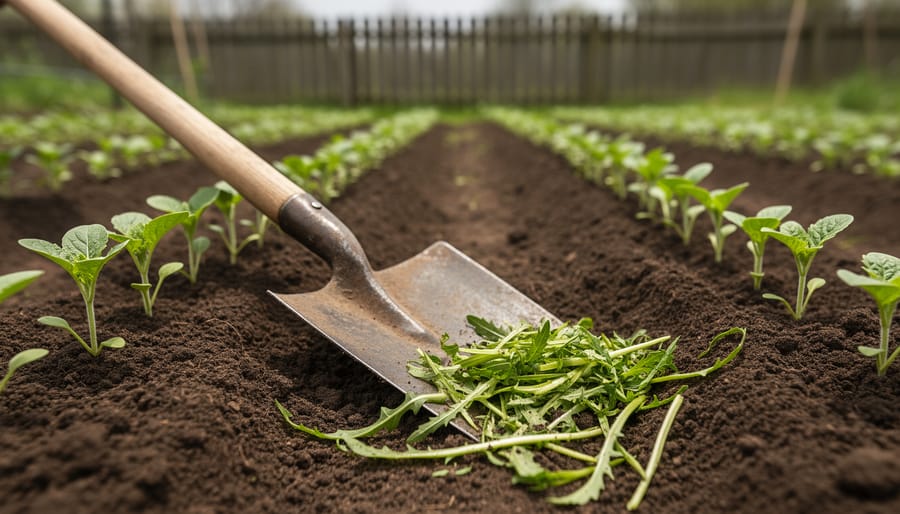
A good hoe does three essential jobs: it slices through weeds just below the soil surface, breaks up crusty topsoil to improve air and water penetration, and creates furrows for planting seeds. What makes hoes particularly valuable right now is the growing shift toward no-till and regenerative gardening practices, where preserving soil structure matters more than ever.
The challenge? Walk into any garden center and you’ll face a bewildering array of hoe styles, from traditional square blades to stirrup hoes, warren hoes, and specialized Korean hand hoes. Prices range from $15 for basic models to over $80 for premium hand-forged versions, and choosing the wrong type for your soil and garden size means frustration instead of efficiency.
I learned this the hard way during my first vegetable garden attempt. I grabbed the cheapest hoe available and spent an entire afternoon wrestling with compacted clay, developing blisters while barely making progress. Once I understood which hoe matched my needs and how to use it properly, weeding transformed from a dreaded chore into a quick, satisfying task.
This guide walks you through everything you need to know: the different hoe types and what they excel at, how to choose the right one for your garden conditions, current pricing expectations for 2026, and the techniques that make hoeing effortless rather than exhausting.
The Gardening Hoe Renaissance: What’s Driving the Trend
Walk into any garden center in 2026 and you’ll notice something interesting: the humble gardening hoe is getting prime shelf space again. After years of being overshadowed by battery-powered tillers and fancy gadgets, this centuries-old tool is having a moment, and for good reason.
The biggest driver behind this renaissance is the growing push toward chemical-free weeding. Gardeners are waking up to the fact that glyphosate and synthetic herbicides come with risks they’d rather avoid, especially when growing food for their families. A sharp hoe cuts weeds at the soil line just as effectively as any spray, without the environmental baggage. It’s straightforward, immediate, and doesn’t require a hazmat suit.
This shift dovetails perfectly with the broader sustainable gardening movement gaining momentum right now. People want to work with their soil, not against it. They’re building healthier ecosystems in their backyards, and that means ditching chemicals in favor of mechanical methods that don’t harm beneficial insects or microbes. The hoe fits this philosophy beautifully, it’s a tool that’s been doing the job for generations without harming anything except the weeds you’re targeting.
Then there’s the self-sufficiency factor. More folks are growing their own vegetables, baking their own bread, and learning skills that make them less dependent on external systems. A good hoe represents exactly that mindset: simple, durable, reliable. No batteries to charge, no software updates, no planned obsolescence. Just you, the tool, and the work. In a world that feels increasingly complicated, there’s genuine appeal in something that just works, year after year.
Types of Gardening Hoes: Finding Your Perfect Match
Draw Hoe (Garden Hoe)
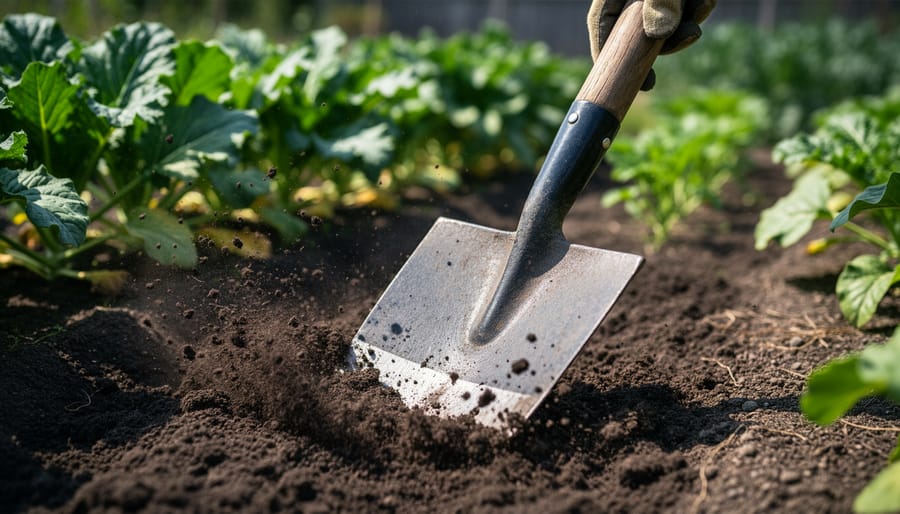
The draw hoe is the workhorse you probably grew up seeing in your grandparents’ garden shed. It features a flat, rectangular blade attached at a roughly 90-degree angle to a long handle, and it’s designed for jobs that require some muscle. When you need to break up compacted soil in early spring, chop through stubborn weed clumps, or carve out planting furrows for your vegetable rows, this is your tool.
What makes the draw hoe so reliable is its simple, physics-based design. You pull it toward you in a chopping motion, letting the blade’s weight and your body leverage do the work rather than relying on arm strength alone. That pulling action is surprisingly satisfying once you find your rhythm.
The downside? It’s not subtle. The draw hoe disturbs more soil than specialized designs, which can bring buried weed seeds to the surface. For heavy-duty garden prep and initial bed clearing, though, nothing beats it. Expect to pay anywhere from around $4 for basic models to $30 or more for heavier-duty versions with reinforced blades and ergonomic handles.
Stirrup Hoe (Scuffle Hoe)
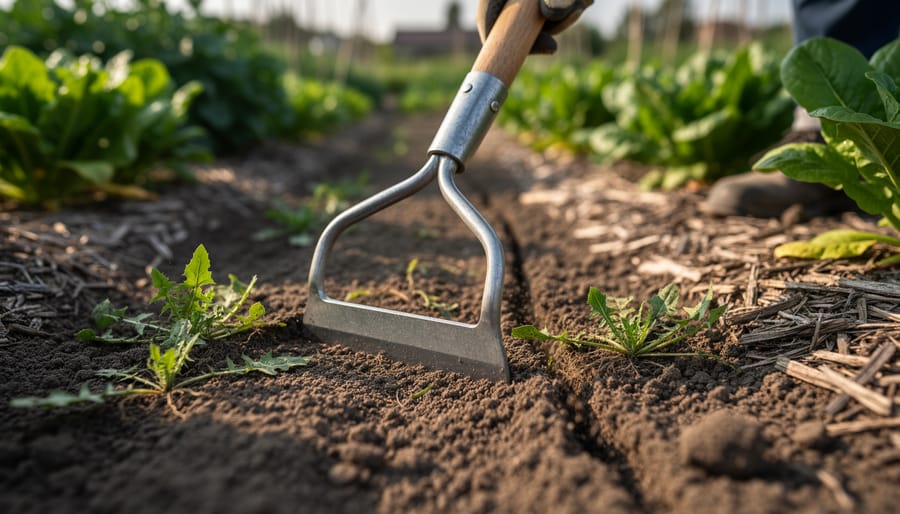
If you’re tired of stooping over rows of vegetables only to slice into a carrot while weeding, the stirrup hoe is about to become your best friend. This clever design features a flat, rectangular blade attached on both edges, creating a loop that moves back and forth just below the soil surface as you push and pull. That oscillating motion slices weeds off at the root without digging deep, which means you won’t disturb your mulch choices or damage shallow vegetable roots the way a draw hoe might.
Vegetable gardeners especially love stirrup hoes because you can work while standing nearly upright, gliding the blade through the top inch of soil in a comfortable rhythm. The shallow cutting action is perfect for tackling young weeds before they establish deep roots, and because you’re not turning over big chunks of soil, you’re actually bringing fewer weed seeds to the surface where they’ll germinate. Once you get the hang of the push-pull motion, you can clear a garden bed in half the time it would take with a traditional hoe, all while keeping your back happy.
Warren Hoe (Pointed Hoe)
The warren hoe’s distinctive triangular blade sets it apart from every other design in your tool shed. That pointed tip lets you slice precise V-shaped furrows for planting seeds in perfectly straight rows, something you’ll appreciate when your seedlings emerge in neat lines rather than wandering zigzags. The narrow blade works wonders in tight spots where a standard draw hoe would demolish your carefully spaced plants, think weeding between onion rows or working around the base of tomato cages.
I’ve watched too many beginners struggle with a full-width hoe in crowded beds, accidentally beheading their peppers while aiming for dandelions. The warren hoe solves that problem. You can slip that pointed edge into narrow gaps, pop out deep-rooted weeds, and even use the blade corners to cultivate right up against plant stems without damage. It’s particularly brilliant for creating irrigation channels in raised beds or reshaping soil around established plants. If you’re growing vegetables in rows or working in compact urban garden spaces, this specialized tool earns its keep quickly despite being less versatile than a stirrup or draw hoe.
Collinear Hoe
The collinear hoe stands out as the weapon of choice for market gardeners and anyone serious about efficient weeding. This co-designed specialty tool features a narrow, sharp blade positioned at a dramatic angle to the handle, letting you work standing nearly upright instead of hunched over. That positioning is the secret: you simply glide the blade just beneath the soil surface in a smooth push-pull motion, slicing through weed roots while barely disturbing the earth.
What makes the collinear hoe revolutionary is how it turns weeding from exhausting labor into a quick, almost meditative task. The blade’s angle keeps your wrists neutral and your back straight, so you can cover row after row without the usual fatigue. I’ve watched gardeners clear a 20-foot bed in minutes with this tool, moving along at walking pace while the blade does its work.
Expect to pay more than for a basic hoe, but the efficiency gain pays off fast if you’re maintaining larger vegetable gardens or multiple raised beds.
Wheel Hoe
If your garden spans more than a few rows or you’re cultivating a larger plot, a wheel hoe might become your best friend. This push-style tool looks like a small plow with one or more wheels at the front and interchangeable blades or attachments behind. You walk behind it and push, letting the wheel do the work of moving the tool forward while the blade cultivates the soil or slices through weeds.
The real advantage here is efficiency with far less back strain. Instead of bending over repeatedly with a hand hoe, you maintain an upright posture and cover ground quickly. Many wheel hoes accept different attachments, cultivating teeth, furrow openers, or hilling blades, making them versatile for multiple tasks throughout the season.
They work best in gardens with straight, established rows and relatively clear paths. If your garden is a tangle of mixed plantings or raised beds with tight corners, a wheel hoe won’t navigate easily. But for market gardeners, serious vegetable growers, or anyone managing a quarter-acre or more, the investment pays off in saved time and saved knees. Expect to spend more upfront than a basic hoe, but the ergonomic payoff makes it worth considering if your garden has the space.
What to Look for When Shopping for a Gardening Hoe
Shopping for a gardening hoe in 2026 means navigating a surprisingly wide range of options, from basic models to precision tools designed for specific tasks. The good news? You don’t need to spend a fortune to get started. I’ve seen perfectly serviceable hoes sold for $4 at local hardware stores, proving that effective tools don’t always carry premium price tags.
Handle length matters more than most beginners realize. If you’re taller than average, a standard 54-inch handle will save your back from constant bending. Shorter gardeners often find 48-inch handles more comfortable and easier to control. I learned this the hard way after a morning of weeding left me hobbling around like I’d aged twenty years overnight. Test the length if you can, when you stand the hoe upright, the handle should reach somewhere between your ear and shoulder.
Material quality shows up in two places: the handle and the blade. Hardwood handles like ash or hickory flex slightly under pressure without snapping, while fiberglass handles weigh less and never splinter. For blades, look for carbon steel or stainless steel. Carbon steel takes a sharper edge and costs less, but it’ll rust if you leave it wet. Stainless resists corrosion but dulls faster. Either works fine if you maintain it properly.
Blade sharpness straight out of the package varies wildly. Run your thumb carefully along the edge, it should feel distinctly sharp, not rounded. A dull hoe forces you to work twice as hard and tears through weeds instead of slicing cleanly. Many gardeners buy a decent hoe and immediately sharpen it before first use.
Weight becomes crucial if you’re weeding large areas. A two-pound hoe feels light for the first ten minutes, then gradually transforms into a lead weight. Heavier models (three to four pounds) work better for breaking up compacted soil but tire you out faster during precision weeding. Match the weight to your primary task.
Budget anywhere from that $4 bargain bin find to $60 for specialized designs like collinear hoes favored by market gardeners. Mid-range hoes ($15-$30) typically offer the best balance of durability and performance for home gardeners tackling average-sized plots.
How to Use a Gardening Hoe Like a Pro
The difference between tired, frustrated hoeing and efficient, satisfying work comes down to technique. I learned this the hard way during my first summer vegetable garden, I spent an hour hunched over, jabbing at the ground like I was chopping wood, and woke up the next morning with a back that felt like I’d run a marathon. Once I figured out the proper form, weeding became almost meditative.
- Stand upright with feet shoulder-width apart, positioning yourself so the hoe blade reaches the ground comfortably without leaning forward. Your body should stay relaxed, not hunched.
- Grip the handle with both hands about a foot apart, dominant hand closer to the blade for control, other hand near the top for leverage and steering.
- Hold the blade at a shallow angle, nearly parallel to the soil surface rather than perpendicular. You’re skimming the top layer where weed roots live, not digging deep trenches.
- Use a smooth pulling or push-pull motion depending on your hoe type, letting the tool’s weight and sharp blade do the cutting work. Think rhythm, not force.
- Work backward through your garden bed so you’re not stepping on freshly hoed soil health keeping the surface loose and disrupted.
The biggest mistake beginners make is treating the hoe like a pickaxe, swinging it overhead or chopping straight down. That’s exhausting and unnecessary. The second common error is waiting until weeds are six inches tall, by then you’re fighting established root systems instead of slicing through vulnerable seedlings. I hoe my vegetable beds every few days during growing season, right after I check the irrigation system and it takes minutes because the weeds never get a foothold.
Another tip: sharpen your blade regularly. A dull hoe forces you to work harder and makes clean cuts impossible, which matters for both efficiency and aphid control since disturbed soil discourages many pests. Once you develop that easy, rhythmic motion with a sharp blade at the right angle, you’ll wonder why you ever dreaded weeding.
Caring for Your Gardening Hoe: Maintenance That Makes It Last
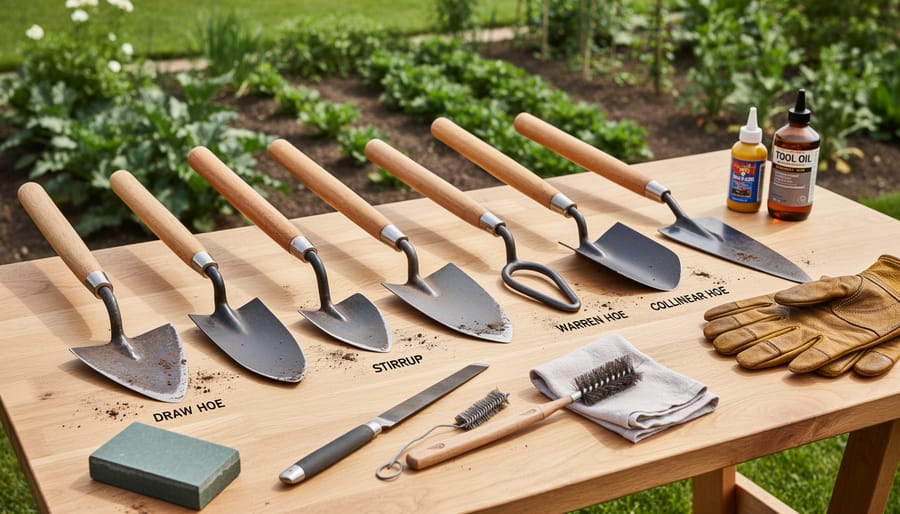
A good gardening hoe can serve you faithfully for decades with minimal upkeep. After each use, wipe down the blade with a damp cloth to remove soil and plant debris before they harden. For stubborn dirt, a quick scrub with water and one of the natural cleaners you might already use in your garden works perfectly. Dry the blade thoroughly to prevent rust from taking hold.
Sharpen your hoe blade every few weeks during active gardening season. A sharp blade cuts through weeds and soil with less effort, saving your back and arms. You can use a simple mill file at about a 20-degree angle, working from the center of the blade toward the edge. The process takes maybe five minutes but makes an enormous difference in how efficiently the tool performs.
Store your hoe in a dry spot rather than leaving it outside where morning dew and rain will corrode the metal. Hang it on a wall hook if possible, keeping the blade off the ground. A light coating of oil on the blade before winter storage prevents rust during the off-season.
These small habits transform a modest investment into a lifetime tool. When you consider that quality hoes start around four dollars and can last twenty years or more with proper care, spending a few minutes on maintenance after each gardening session makes perfect sense.
The gardening hoe isn’t just making a comeback in 2026, it’s reclaiming its spot as an indispensable tool for anyone serious about growing their own food or maintaining a beautiful garden. Whether you’re drawn to the classic draw hoe for breaking new ground, the efficient stirrup hoe for quick weeding sessions, or a specialized design like the collinear hoe for market-garden precision, there’s a hoe perfectly suited to your garden’s size and your gardening style. With options available at every price point, from budget-friendly choices around $4 to premium designs, investing in the right hoe means investing in easier, more effective gardening. Take the time to match the tool to your tasks, practice proper technique, and maintain it well. You’ll discover what generations of gardeners already knew: mastering this simple, timeless tool transforms weeding from a dreaded chore into a satisfying rhythm that keeps your garden thriving all season long.