The fastest way to slow lettuce bolting once it’s started is to cut off the central flower stalk immediately and move your plants into shade, buying you a few extra days of usable leaves. But if you’re already seeing a tall, woody stem shooting up from the center of your lettuce and the leaves taste bitter, you’ve likely passed the point of no return for that harvest.
Lettuce bolts when rising temperatures and longer daylight hours trigger its survival instinct to flower and set seed. Most varieties flip this genetic switch when daytime temps consistently hit 75°F or higher, though some bolt as early as 70°F. If you’ve noticed your lettuce suddenly growing upward instead of outward, developing small yellow buds at the top, and producing leaves that taste unpleasantly sharp, that’s what plant bolting means in action.
Here’s the good news: while you can’t reverse bolting, you can absolutely prevent it in your next planting and salvage usable greens from a bolting plant if you act quickly. The trick is understanding what pushed your lettuce over the edge, whether it was heat stress, inconsistent watering, root crowding, or simply the wrong variety for your climate.
This guide walks you through recognizing bolting symptoms at every stage, pinpointing which environmental trigger is affecting your garden, and applying immediate damage control. You’ll also learn proven prevention strategies that keep your lettuce sweet and productive all season, including variety selection, shade tactics, succession planting schedules, and soil cooling techniques that work even in warm climates.
What Does Lettuce Bolting Look Like? Recognizing the Signs
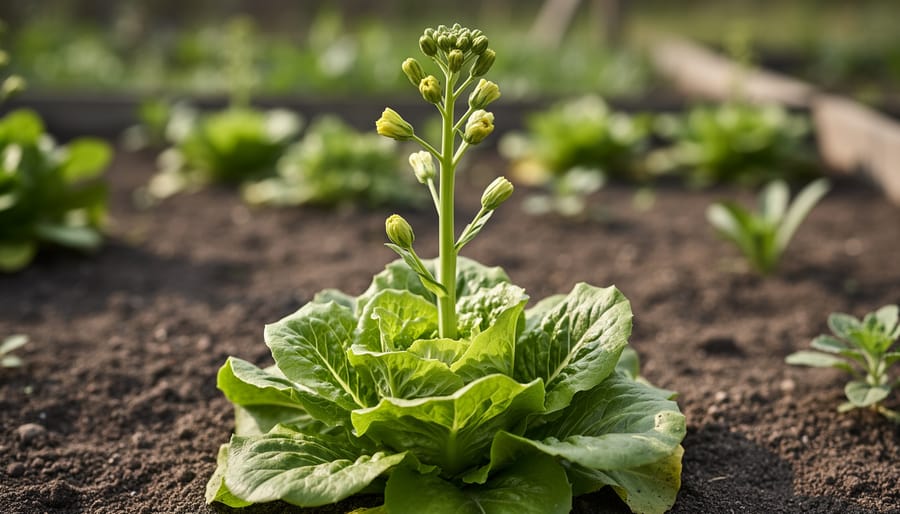
You’ll know your lettuce is bolting when it stops looking like lettuce and starts acting like it’s on a mission. Instead of producing those tender, compact leaves you’ve been waiting to harvest, the plant shifts gears completely, focusing all its energy on reproduction rather than feeding you a salad.
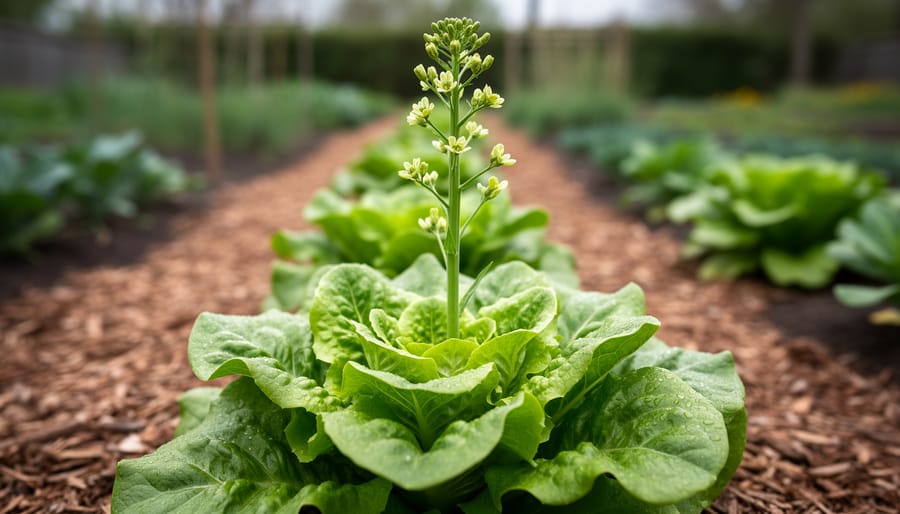
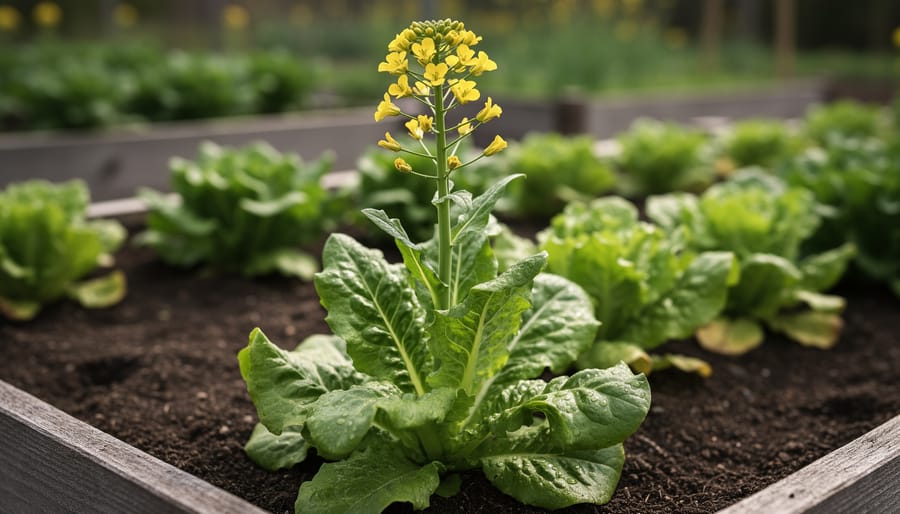
The most obvious sign is a tall central stalk shooting straight up from the middle of the plant, often seemingly overnight. One day you have a nice leafy rosette, the next morning there’s a thick stem stretching toward the sky like a green tower. This stalk grows fast, sometimes several inches in just 24 hours, and completely changes the plant’s silhouette from a low, spreading mound to an upright, elongated structure.
As this happens, you’ll notice the leaves themselves changing. New leaves emerging near the top become smaller, narrower, and more pointed than the broad, tender leaves you harvested earlier. Older leaves at the base often develop a noticeably bitter, unpleasant taste that makes them nearly inedible raw. That sweetness you loved? Gone, replaced by an almost medicinal sharpness.
Watch for these telltale bolting symptoms:
- A thick central stem rapidly elongating upward from the plant’s center
- Bitter, unpalatable flavor in leaves that were previously sweet and mild
- Small yellow flower buds forming at the top of the stem or along its length
- New leaves growing smaller, more sparse, and tougher in texture
- Overall plant structure shifting from compact and leafy to tall and spindly
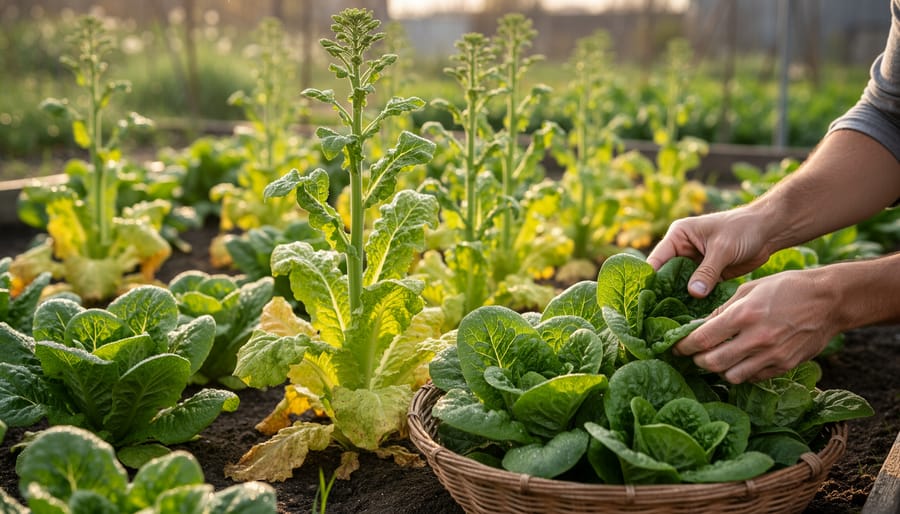
If you catch these signs early, when the stalk is just beginning to form but flowers haven’t opened yet, you’ve got a narrow window to harvest what’s left of the good leaves before the quality deteriorates further. Once those tiny yellow flowers start opening, the bolting process is well underway and there’s no turning back.
Why Is Your Lettuce Bolting? Common Causes Explained
Heat and Temperature Stress
Lettuce thrives in cool weather, which is why spring and fall plantings usually succeed while summer attempts often fail. When daytime temperatures consistently climb above 70-75°F, your lettuce plants shift gears from producing tender leaves to rushing toward reproduction. The plant interprets sustained heat as a signal that winter is ending and it needs to flower and set seed before conditions worsen. What really accelerates bolting, though, are warm nights, when nighttime lows stay above 60°F, lettuce doesn’t get the cool recovery period it needs, and bolting can happen within days rather than weeks. According to North Carolina State Extension, lettuce prefers 70 to 75°F daytime temperatures for optimal growth, and once you exceed that range consistently, the clock starts ticking. If you’ve noticed your lettuce shooting up during a heat wave, temperature stress is almost certainly the culprit.
Long Days Trigger Flowering
Lettuce is a long-day plant, meaning it responds to the length of daylight as a cue for when to reproduce. As days grow longer in late spring and summer, typically beyond 14-16 hours of daylight, your lettuce interprets this extended light exposure as a signal that favorable growing conditions are ending. The plant then switches gears from producing tender leaves to flowering and setting seed. This photoperiod response is hardwired into lettuce genetics as a survival mechanism. Even if temperatures stay relatively cool, those lengthening June days can still push your lettuce toward bolting, which is why spring-planted lettuce often bolts before summer heat arrives.
Watering and Stress Factors
Lettuce plants are sensitive souls, when they’re stressed, their survival instinct kicks in and they rush to produce seeds before it’s too late. Irregular watering is one of the biggest culprits. If you’re letting the soil dry out between waterings or soaking it inconsistently, your lettuce interprets this as a sign that conditions are deteriorating. The plant thinks, “I’d better reproduce now while I still can,” and up shoots that flower stalk.
Drought stress works the same way. Even a few days of dry soil during hot weather can trigger bolting, especially in shallow-rooted lettuce. Root crowding from planting too close together or growing in containers that are too small also stresses the plant, limiting its access to water and nutrients. When roots can’t spread out and do their job properly, the plant diverts energy away from producing those tender leaves you want and straight into flowering mode.
Plant Maturity and Genetics
Some lettuce varieties are genetically programmed to bolt faster than others. Loose-leaf types generally hold longer before bolting, while romaine and butterhead varieties tend to bolt more quickly once conditions shift. If you’re growing a standard grocery-store variety, it likely wasn’t bred for heat tolerance.
Age matters too. A mature lettuce plant that’s already produced plenty of leaves will bolt naturally as part of its life cycle, even in perfect conditions. Once a plant reaches 60-70 days old, it’s biologically ready to reproduce. At that point, bolting becomes inevitable regardless of how carefully you water or shade it. Harvesting promptly when leaves reach usable size helps you stay ahead of this natural timeline.
Can You Stop Lettuce from Bolting? Quick Fixes and Damage Control
Let’s be honest: once your lettuce starts bolting, you can’t reverse the process. That tall flower stalk shooting up means the plant has already decided its leafy days are over and it’s time to make seeds. But don’t yank it out in frustration just yet. You can slow things down, salvage some harvest, and even turn this setback into a learning moment for next season.
The key is acting fast. Bolting accelerates quickly once it starts, especially in hot weather, so every day counts if you want to rescue any edible leaves.
- Assess the stage of bolting. If you’ve just noticed the central stalk forming and most leaves still look normal, you have time to salvage. If the plant is already knee-high with open flowers, you’re too late for harvest but can still use it for seeds or pollinator food.
- Harvest all usable leaves immediately. Pick the outer leaves that haven’t turned bitter yet, working your way inward. Taste as you go; once bitterness sets in, those leaves are better composted. Get what you can into the kitchen today, not tomorrow.
- Provide temporary shade. Drape a lightweight row cover or shade cloth over the plant, or position a patio umbrella nearby. Reducing direct sun exposure can slow (but not stop) the bolting process by a few days, buying you time to harvest more leaves.
- Increase watering frequency. Stress accelerates bolting, so keep the soil consistently moist. Water deeply in the morning and again in late afternoon if it’s hot. Consistent watering won’t reverse bolting, but it prevents the plant from fast-tracking to seed production even faster.
- Decide whether to remove the plant or let it flower. If you’re done harvesting, you can pull it and compost it to make room for a new planting. Or leave it standing; the flowers attract beneficial insects and you can collect seeds for fall planting if it’s an heirloom variety.
Don’t beat yourself up if most of the harvest is lost. Bolting happens to every gardener at some point, and it’s rarely a reflection of your skills. The plant is simply responding to environmental cues hardwired into its DNA. What matters now is moving forward with a plan to prevent it next time, starting with smarter variety choices and better timing.
How to Prevent Lettuce from Bolting in Your Garden
Choose Bolt-Resistant Lettuce Varieties
Not all lettuce varieties handle heat the same way. If you live in an area with warm springs or want to extend your harvest into early summer, choosing slow-bolting or heat-tolerant varieties makes a huge difference.
Look for varieties labeled “slow bolt” or “heat tolerant” in seed catalogs. Butterhead types like ‘Buttercrunch’ and ‘Optima’ typically resist bolting longer than crisphead varieties. Romaine lettuces such as ‘Jericho’ and ‘Parris Island Cos’ also stand up well to warmer conditions. For loose-leaf options, try ‘Black Seeded Simpson’, ‘Red Sails’, or ‘Oakleaf’, these keep producing tasty leaves even as temperatures climb.
Summer-specific varieties like ‘Nevada’ and ‘Concept’ are bred specifically for heat resistance. While no lettuce thrives in scorching weather, these varieties buy you extra weeks before bolting begins, giving you more time to harvest.
Time Your Plantings Right
Timing matters more than any other factor in preventing lettuce bolting. Plant lettuce in early spring, about 4-6 weeks before your area’s last expected frost date. Lettuce seeds germinate in cool soil and transplants tolerate light frosts, giving you a head start before warm weather arrives.
Your second major planting window opens in late summer, roughly 6-8 weeks before the first fall frost. Fall-grown lettuce often tastes sweeter because it matures in cooling temperatures rather than warming ones.
Instead of planting your entire lettuce crop at once, sow small batches every 2-3 weeks. This succession planting strategy ensures you’re harvesting fresh, tender leaves continuously rather than watching an entire bed bolt simultaneously when heat hits. Start your succession schedule in early spring and continue until temperatures regularly exceed 75°F, then resume in late summer.
Check your local cooperative extension or gardening apps for accurate frost dates specific to your zip code. These dates serve as your planting calendar foundation, though you’ll adjust slightly based on actual weather patterns each season.
Provide Shade and Temperature Control
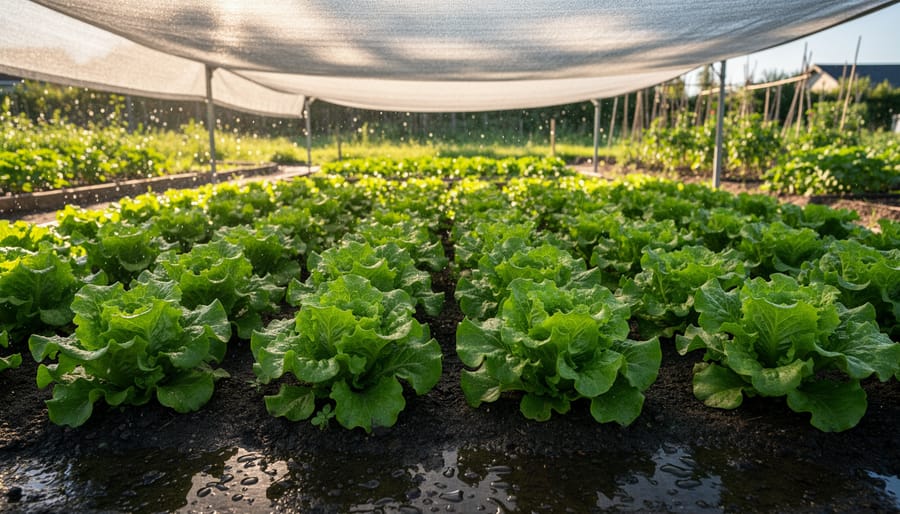
When temperatures climb, a simple shade cloth draped over your lettuce bed can drop the temperature by 10-15°F and buy you several extra weeks of harvest before bolting kicks in. Look for 30-50% shade cloth at any garden center, the lighter percentage works well in most climates, and suspend it on stakes or hoops about 18 inches above your plants to allow air circulation while blocking the harsh midday sun.
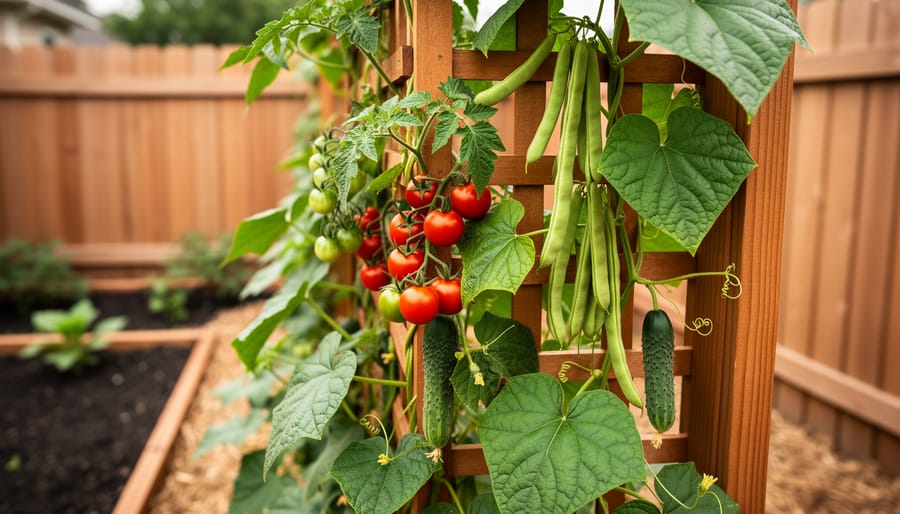
Companion planting offers a more permanent, garden-integrated solution. Tall crops like tomatoes, pole beans, or sunflowers planted on the south or west side of your lettuce create natural afternoon shade as they grow, mimicking the dappled light of a forest edge that lettuce thrives under. For more creative plant companion ideas consider placing your lettuce under trellised cucumbers or between rows of corn that will tower over the greens by late spring.
Row covers work double-duty: the lightweight white fabric reflects heat while still letting light through, keeping the soil cooler and slowing the lettuce’s internal countdown to flowering. Drape them loosely or use hoops so they don’t crush your plants, and remove them on cooler days to prevent overheating underneath.
Keep Soil Consistently Moist
Water stress confuses lettuce into thinking survival is threatened, triggering early bolting. Aim for soil that stays evenly moist but never waterlogged, check the top inch daily and water when it feels dry to the touch.
A two-inch layer of organic mulch around plants keeps soil moisture basics working in your favor: it prevents rapid evaporation, moderates soil temperature swings, and creates a cooler root zone that discourages bolting. Straw, shredded leaves, or compost work well.
Morning watering gives leaves time to dry before evening, reducing disease risk while delivering moisture when plants need it most. If you’re hand-watering, target the soil directly rather than overhead spraying.
What to Do with Bolted Lettuce Plants
Once your lettuce has fully bolted, you have several practical options beyond simply tossing it in frustration. While the plant won’t return to producing tender leaves, you can still make the most of the situation.
Yes, you can eat bolted lettuce, though the leaves turn increasingly bitter as the plant diverts energy to flowering. The bitterness comes from compounds called lactucins, completely safe but unpleasant raw. If you catch it early in the bolting process, younger leaves near the base may still be tolerable in salads. For older, bitter leaves, try cooking them like you would dandelion greens or endive. Sautéing with garlic and olive oil, adding to soups or stir-fries, or wilting into pasta dishes can mask much of the bitterness. A squeeze of lemon or splash of vinegar also helps balance the flavor.
Letting your lettuce flower serves the garden ecosystem beautifully. Those delicate yellow blooms attract beneficial pollinators like bees and hoverflies, and the flowers eventually produce seeds you can harvest. If you’re interested in seed saving, allow the flowers to mature fully until they turn fluffy white, then carefully save lettuce seeds for next season’s planting. This works especially well with heirloom varieties that breed true.
| Option | Best For | What to Expect |
|---|---|---|
| Harvest young leaves | Early bolting stage | Mild bitterness, still usable raw |
| Cook bitter leaves | Advanced bolting | Sauté or add to soups to mask bitterness |
| Let flower for seeds | Heirloom varieties, pollinators | Free seeds for next season, supports beneficial insects |
| Compost | Clearing space quickly | Enriches soil, makes room for new plantings |
If none of these appeal, composting is always a solid choice. Bolted lettuce breaks down quickly and adds valuable nitrogen to your compost pile. Pull the entire plant once it’s clearly past saving and use that garden space for a heat-loving crop like basil or a succession planting timed for fall harvest.
Frequently Asked Questions About Lettuce Bolting
Can you eat bolted lettuce?
Yes, bolted lettuce is safe to eat, but the leaves turn bitter and tough once the flower stalk shoots up. You can mask the bitterness by cooking bolted greens into soups or sautés, or mixing small amounts into smoothies, though most gardeners find the flavor too unpleasant for fresh salads.
Will cutting off the flower stalk stop bolting?
No, cutting the flower stalk won’t reverse the process. Once lettuce starts bolting, it’s already shifted its energy to reproduction, and the leaves will continue to taste bitter even if you remove the stalk. You’re better off harvesting any remaining decent leaves quickly and starting fresh.
How long does it take for lettuce to bolt?
It depends on conditions and variety. In ideal cool weather, lettuce grows for 6-8 weeks before maturity. But when temperatures climb above 75°F or daylight stretches past 14 hours, lettuce can bolt within days of the stress trigger, sometimes almost overnight if heat spikes suddenly.
What’s the best lettuce for hot climates?
Look for heat-tolerant or slow-bolt varieties like Jericho, Nevada, Summertime, or red-leaf types such as New Red Fire. These won’t eliminate bolting in extreme heat, but they’ll buy you extra weeks of harvest compared to standard varieties that bolt at the first warm spell.
Can bolting spread to other lettuce plants?
No, bolting isn’t contagious. Each plant bolts based on its own genetics and stress level. However, if one lettuce bolts due to heat or long days, your other plants are likely experiencing the same conditions and may bolt soon after, which can make it seem like it’s spreading through the garden.
Should I pull bolted lettuce or leave it in the garden?
That’s your call. If you need the space for another planting, pull it and compost the plant. If you’ve got room, letting it flower provides food for bees and beneficial insects, plus you can collect seeds for future plantings, just know the flowers will cross-pollinate if you’re growing multiple varieties nearby.
These questions come up constantly in gardening forums, and the answers highlight a key reality: bolting is frustrating but manageable once you understand what’s happening. The biggest misconception is that you can stop it mid-process, when really the game is all about prevention and quick harvest before things go sideways. If your lettuce has already bolted this season, don’t beat yourself up, just apply these lessons to your next planting and you’ll be pulling sweet, crisp leaves well before the heat hits.
Bolting doesn’t mean you’ve failed as a gardener, it’s simply your lettuce doing what comes naturally when conditions shift. Every gardener watches a perfect head of lettuce turn leggy and bitter at some point, and that’s okay. The good news? Now you know exactly what triggers it and how to work around those conditions. With the right varieties for your climate, smart timing that targets cool weather windows, and a few simple strategies like shade cloth or succession planting, you can keep crisp, sweet lettuce on your table for months.
Don’t let one bolted crop discourage you. Use what you’ve learned here to plan your next planting, fall is actually an ideal time to try again, with cooler temperatures naturally on your side. Each growing season teaches you something new about your garden’s microclimate and what works best in your space. Grab some bolt-resistant seeds, mark your calendar for late summer planting, and get ready to enjoy that perfect, buttery lettuce you’ve been craving. You’ve got this.