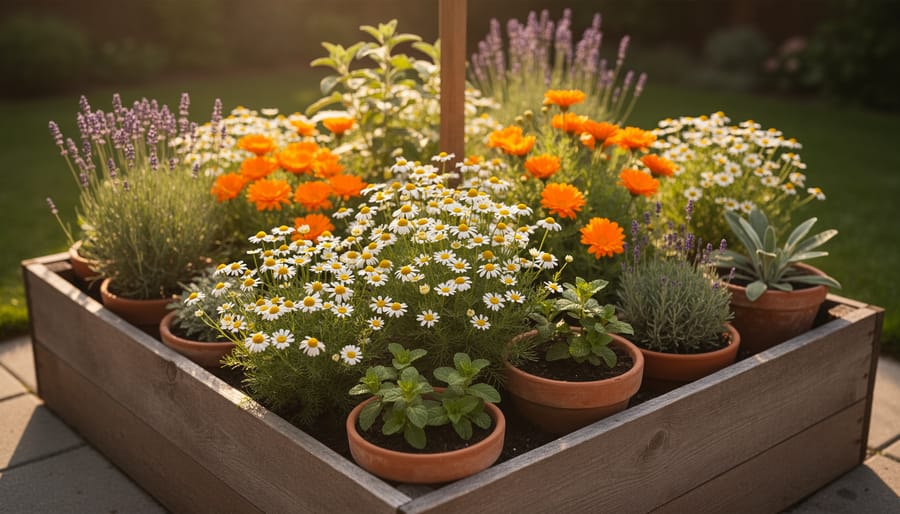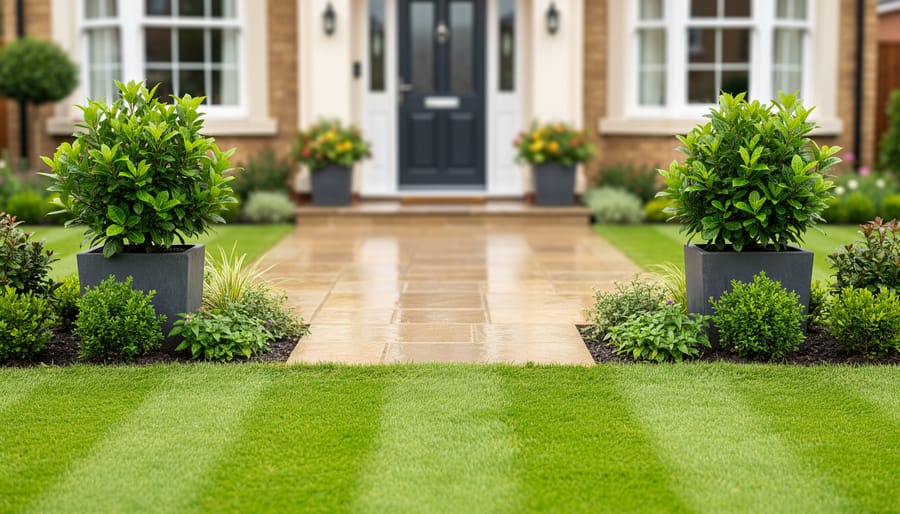
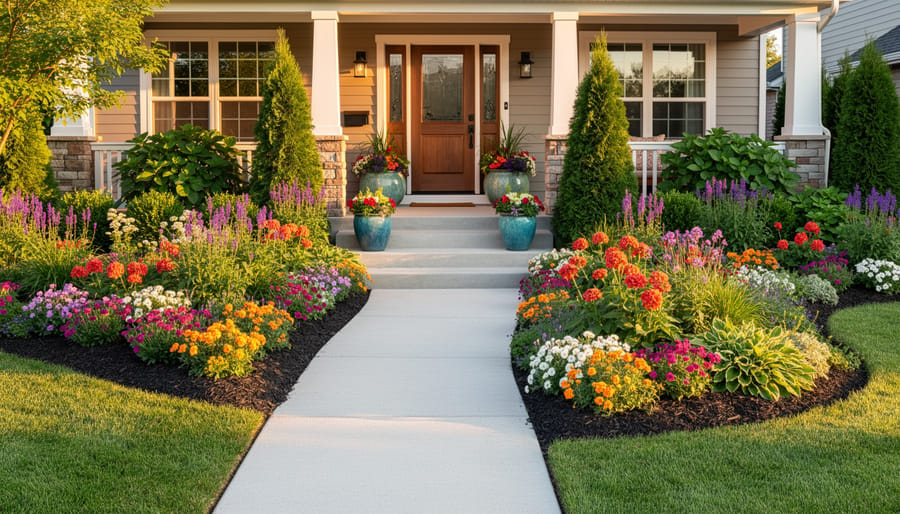
Focus on kerb appeal first. Tidy borders, fresh mulch, and a well-mowed lawn can add thousands to your property’s perceived value without breaking the bank. Property investors often overlook the garden when preparing to exit a buy-to-let, but that overgrown patch of grass or tired patio could be costing you serious money at the viewing stage. The good news? You don’t need a Chelsea Flower Show budget to make a real difference.
Quick wins start with basic maintenance. Clear any rubbish, trim back overgrown shrubs, and define edges along pathways and beds. These simple tasks take a weekend but signal to buyers that the whole property has been cared for. Next, consider low-cost additions that punch above their weight: a few strategic planters near the entrance, some fresh gravel on tired paths, or even just power-washing the patio to reveal the clean surface beneath.
Bigger improvements need careful thought. Installing decking, building raised beds, or laying new turf all cost more, but they transform outdoor spaces that might otherwise put buyers off. The trick is knowing which projects deliver real returns and which just drain your budget. Some upgrades barely shift the dial on sale price, while others can be the difference between a quick sale and months on the market.
If you’re planning to sell buy to let property in 2026, understanding where to invest your garden budget matters more than ever. This guide breaks down everything from £50 quick fixes to £5,000 transformations, with honest cost-benefit analysis for each.
Why Garden Improvements Matter When Selling Your Buy-to-Let
Your garden isn’t just about kerb appeal, it directly impacts how much you’ll get for your buy-to-let and how long the property sits on the market. Properties with well-maintained outdoor spaces sell faster and command higher prices, which matters enormously when you’re competing with dozens of similar buy-to-lets in your area.
The numbers tell a clear story. Research shows that urban green spaces raise prices by an average of £2,500, and private gardens deliver even stronger returns. A tidy, functional outdoor space can add 5-10% to your property’s value, while a neglected one actively pushes buyers away. That’s thousands of pounds difference on a typical buy-to-let investment.
Since 2020, demand for gardens and usable outdoor space has surged across the UK. Buyers who spent years working from home still prioritize properties with outside areas, even as office life returns. This shift has been particularly pronounced in buy-to-let sales, where investors recognize that properties with gardens attract better tenants and command higher rents long-term.
Time on market matters just as much as sale price. Properties with attractive gardens typically sell 20-30% faster than comparable homes with tired outdoor spaces. When you’re juggling mortgage payments, maintenance costs, and potential void periods, those extra weeks matter. A garden that photographs well and makes a strong first impression gets more viewings, generates more offers, and gives you negotiating power when buyers start comparing properties.
Quick-Win Garden Improvements for Maximum ROI
Fresh Lawn Care and Edging
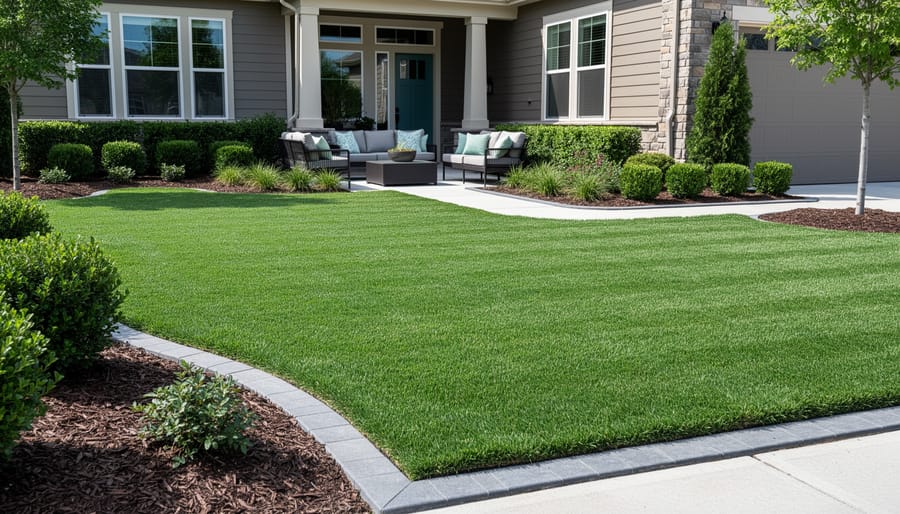
A pristine lawn creates an instant positive impression that photographs beautifully and signals to buyers that the property has been cared for. Start with the basics: mow to a consistent height of around 3-4cm, ensuring your mower blades are sharp for clean cuts rather than ragged tears. Edge along borders and pathways using a half-moon edger or long-handled shears, crisp lines make even modest lawns look professionally maintained.
Tackle moss patches with a spring rake or scarifier, removing dead material before applying a moss killer if necessary. Wait two weeks, then overseed any bare spots with a quick-germinating grass seed mix suited to your soil type. Lightly rake the seed into the soil, keep it moist, and you’ll see fresh growth within 10-14 days.
For that “just manicured” finish, stripe the lawn by mowing in straight, overlapping lines. Apply a light feed if you’re selling in spring or early summer, avoiding late-season applications that encourage unnecessary growth. The result? A lush, uniform lawn that makes buyers imagine lazy Sunday afternoons rather than weekend maintenance marathons.
Strategic Planting for Instant Color
Nothing transforms a tired garden faster than strategic splashes of color. For buy-to-let properties, you want plants that look fantastic in photos and viewings but won’t intimidate potential buyers who lack green fingers.
Bedding plants like petunias, marigolds, and busy lizzies deliver instant impact and bloom reliably throughout summer. Pop them into containers flanking your entrance or dotted along borders for maximum effect. Containers are brilliant because you can position them precisely where they’ll photograph best, and they signal a manageable commitment to future owners.
For year-round interest, choose hardy perennials like lavender, salvias, or hardy geraniums that flower generously without fuss. These plants reassure buyers that the garden won’t become a burden. Before planting, improve your soil with a bit of compost, which helps everything establish quickly and look healthier.
Stick to classic color combinations rather than anything too experimental. Purple and white, or warm yellows and oranges, create cohesive appeal without polarizing taste. Remember, you’re creating visual impact that sells the lifestyle, not showcasing your personal plant collection.
Garden Furniture and Staging
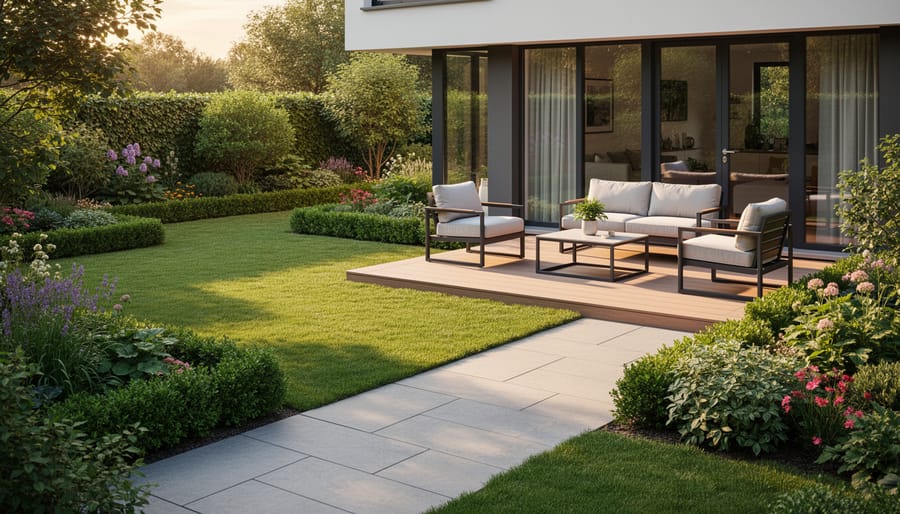
Garden furniture transforms an empty patio into a desirable outdoor room where buyers can picture themselves relaxing with morning coffee or hosting summer barbecues. You don’t need expensive designer pieces. A simple bistro set on a small balcony or a modest wooden bench tucked into a border suggests lifestyle potential without overwhelming the space.
Choose neutral colours that won’t date quickly. Grey, white, or natural wood tones work in most settings and photograph beautifully. Avoid personal items like bright cushions or quirky ornaments that might distract buyers from the property itself.
For smaller gardens, less is genuinely more. One well-placed seating area creates focus, while overcrowding makes spaces feel cramped. Position furniture to frame the best view or create a sense of depth, drawing the eye through the garden rather than blocking sightlines.
Budget-conscious landlords can find perfectly acceptable garden furniture at supermarkets and DIY stores in spring, often for under £100. Clean any existing pieces thoroughly, or give tired wooden furniture a quick sand and oil to refresh it. Even basic staging helps buyers see your garden as a usable asset rather than wasted space.

Decluttering and Deep Cleaning
Start by clearing every corner of the garden, remove dead plants, fallen branches, empty pots, and anything that screams “abandoned.” Buyers judge properties within seconds, and a cluttered garden signals neglect rather than opportunity.
Next, tackle hard surfaces. Patios and paths covered in grime or moss make even the nicest property look tired. A thorough scrub with natural garden cleaners can transform grimy paving without harsh chemicals that might damage plants or surrounding soil. The difference is genuinely dramatic.
Don’t overlook sheds and storage areas. Empty out junk, sweep floors, and arrange tools neatly on hooks or shelves. Potential buyers peek inside every shed, they’re imagining their own belongings there. A chaotic storage space suggests maintenance headaches.
The psychological impact matters enormously. Clean, organized gardens feel larger, more manageable, and more valuable. They tell buyers this property has been cared for. You’re not just removing mess; you’re removing doubt from a buyer’s mind about what they’re taking on.
Mid-Range Upgrades Worth Considering
Patio and Decking Renewal
A tired patio or deck can single-handedly sink a property viewing, while a fresh outdoor entertaining space often seals the deal. In 2026’s competitive market, buyers imagine themselves hosting summer barbecues the moment they step outside, and a clean, well-maintained hard surface makes that vision easy.
Start by assessing what you’ve got. Sometimes a thorough power wash and re-pointing loose paving slabs transforms a grimy patio for under £50. If boards are rotten or slabs cracked beyond repair, replacement becomes necessary. The material you choose affects both cost and buyer appeal:
| Material | Cost per m² | Durability | Maintenance |
|---|---|---|---|
| Concrete slabs | £15-30 | 15-25 years | Annual wash |
| Composite decking | £50-80 | 25+ years | Minimal, no staining |
| Natural stone | £40-100 | 30+ years | Occasional sealing |
| Pressure-treated timber | £25-45 | 10-15 years | Annual treatment needed |
Composite decking appeals strongly to buyers because it screams “low maintenance” while looking contemporary. Natural stone adds premium appeal but costs more upfront. For DIY installation, concrete slabs on a sand bed suit beginners, while timber decking requires moderate carpentry skills and attention to ventilation underneath.
If your budget won’t stretch to full replacement, focus on repairs. Replace individual damaged boards, fill gaps in paving with jointing compound, and apply decking oil or paving sealant for a refreshed finish. Even small improvements here create a usable outdoor room that helps buyers justify your asking price.
Fencing and Boundary Improvements
Tired, leaning fences signal neglect and raise security concerns for potential buyers. Start by walking your boundary and checking for rotting posts, missing panels, or sagging sections. Replace damaged panels rather than attempting repairs that look patchy, matching fence styles costs less than you’d think, and consistency matters more than perfection.
A fresh coat of fence paint or stain transforms tired timber for under £100. Choose neutral tones like charcoal grey or natural oak that photograph well and suit most properties. Avoid bright colors that might divide opinion.
Boundaries need to be clear and secure. Buyers worry about boundary disputes, so ensure fencing clearly defines property lines without encroaching on neighbors’ land. If you’re replacing sections, check boundary documents first, installing a fence six inches over the line creates legal headaches that derail sales.
Privacy sells. Solid panel fencing or trellis with climbing plants appeals to families and professionals who value garden privacy. In urban areas especially, screening from neighbors can be a deciding factor. Even simple fence toppers that add height make gardens feel more secluded and usable.
Low-Maintenance Garden Beds
Low-maintenance garden beds are brilliant for buy-to-let sales because they solve a major buyer concern: ongoing upkeep. Most people viewing rental properties aren’t keen gardeners, so creating attractive borders that practically look after themselves gives you a real advantage.
Start with weed suppression as your foundation. The best approach combines landscaping fabric beneath a 5-7cm layer of mulch or decorative gravel. This barrier dramatically reduces weeding while creating a polished look. When choosing materials, bark chips offer a natural aesthetic and improve soil as they decompose, while slate or pebble gravel provides a contemporary finish that lasts for years. If you’re unsure which to use, research the **best garden mulch** options for your specific soil type and budget.
Ground cover plants like geraniums, hardy fuchsias, or evergreen pachysandra fill spaces beautifully whilst choking out weeds. They require minimal attention once established and provide year-round interest without the need for seasonal replanting.
Raised beds add a touch of sophistication that appeals to hobby gardeners without intimidating non-gardeners. Simple wooden or composite raised beds suggest potential for growing herbs or vegetables, but they’re equally attractive filled with low-maintenance shrubs or ornamental grasses. Keep them modestly sized, two or three small beds create more visual interest than one large plot that screams “high maintenance.”
The key is demonstrating that the garden looks intentional and cared-for, not abandoned or overgrown. Buyers should see an outdoor space that adds value without adding work.
Big-Ticket Garden Projects: When to Invest (and When to Skip)
Not every garden project justifies its cost when you’re selling a buy-to-let property. While major renovations can transform an outdoor space, the key question is whether buyers will pay enough extra to cover what you’ve spent.
Full garden landscaping (£5,000-£15,000) sits at the top of the expense list. A complete redesign with new turf, professional planting schemes, irrigation systems, and mature trees creates undeniable impact. You’ll typically recoup 50-70% of costs in added property value, which sounds reasonable until you do the maths. Spend £10,000 and you might add £6,000 to your sale price. That works if the garden was genuinely off-putting beforehand, but not if it just needed tidying.
Summer houses and garden offices (£3,000-£12,000) have gained popularity since remote working became standard, but they’re tricky investments for buy-to-let sales. Buyers who want one will love it. Everyone else sees it as taking up lawn space their kids could use. Unless your property lacks indoor space or targets professional couples, you’re better off spending that money indoors.
Outdoor kitchens and built-in BBQ areas (£2,000-£8,000) rarely make financial sense in the UK climate. They photograph beautifully and appeal to a narrow slice of buyers who entertain outdoors regularly. Most viewers mentally calculate how often they’d actually use it between April and September, then dismiss it as wasted garden footage.
- Creates genuine wow factor that helps property stand out in listings and viewings.
- Appeals strongly to specific buyer segments willing to pay premium prices.
- Demonstrates property’s potential and may inspire buyers’ own vision for the space.
- Can differentiate your buy-to-let in competitive markets where indoor features are similar.
- Rarely recoup full investment costs, typically returning only 40-70% in added value.
- Risk alienating buyers who prefer different garden styles or more flexible outdoor space.
- Require ongoing maintenance that may deter buyers seeking low-commitment properties.
- Can make gardens feel smaller or overly structured, reducing perceived usability.
Water features beyond simple fountains (£1,500-£6,000) fall into the same trap. Ponds and elaborate cascades worry buyers about maintenance, safety with children, and mosquitoes. They’re lifestyle statements that work for owner-occupiers who specifically want them, but they’re gambles for buy-to-let sales.
The pattern here is clear: major garden projects work when they solve obvious problems (replacing a dangerously uneven patio, removing dead trees, clearing severe overgrowth) but struggle to justify themselves as pure enhancements. Your money almost always works harder on mid-range improvements spread across the whole garden rather than concentrated in one expensive statement feature.
Creating Low-Maintenance Appeal for Future Owners
A low-maintenance garden is one of the strongest selling points you can offer, particularly for buy-to-let properties where future owners might be investors or time-pressed professionals. The key is creating a space that looks attractive year-round without demanding constant attention or specialist knowledge.
Start by choosing hardy plants that thrive in your local conditions with minimal fussing. Evergreen shrubs like Mexican orange blossom, lavender, and ornamental grasses provide structure and color without the need for deadheading or regular pruning. Ground cover plants such as hardy geraniums or ajuga suppress weeds naturally while creating a lush appearance. These selections work beautifully for buyers who want a pleasant garden but don’t consider themselves gardeners.
Apply a thick layer of bark mulch or decorative gravel around plants. This simple addition does triple duty: it suppresses weeds, retains moisture, and gives borders a finished, professional look. A well-mulched garden screams “easy upkeep” to prospective buyers, and it’s one of the most cost-effective improvements you can make.
Consider installing an irrigation system if you’re in a consistently dry area or have established borders worth preserving. While not essential for most UK properties, it can be a genuine selling point for larger gardens or regions with summer water restrictions.
Replace fussy annual beds with perennial borders that return reliably each year. If you do include some seasonal color, stick to containers that can be swapped out easily rather than high-maintenance bedding schemes requiring replanting twice a year.
Create clear zones with defined edges using metal or plastic lawn edging. This prevents grass creeping into borders and reduces the time needed for trimming. Sharp lines between lawn and beds suggest a garden that’s under control, which reassures buyers they won’t be taking on a jungle.
Show, don’t just tell, that maintenance is minimal. Include simple care notes when you hand over keys, listing what grows where and confirming that everything’s designed for easy upkeep.
Seasonal Timing: When to Make Garden Improvements
Timing your garden improvements strategically can make the difference between a quick sale and months on the market. The sweet spot for tackling most garden projects is late winter through early spring, roughly February to April, when you’re preparing dormant spaces before the growing season kicks in.
Spring and early summer are prime property viewing seasons in the UK. Buyers want to see gardens looking their best, with fresh growth, blooming plants, and the promise of warm weather ahead. If you’re aiming to list your property in May or June, start your improvements in March at the latest. This gives new planting time to establish, lawns to green up after winter treatments, and fresh paint on fences to cure properly.
Autumn can also work well for certain improvements. September and October are ideal for lawn renovation, planting spring bulbs that’ll create impact the following year, and major landscaping work while the ground is still workable. However, autumn listings often mean viewing properties when gardens look tired, so you’ll need to invest more in evergreen structure and year-round interest.
If your sale drags into winter, don’t let the garden slide into neglect. Keep paths clear of leaves and debris, ensure fencing looks tidy, and consider adding winter interest with evergreen shrubs or decorative containers near the entrance. A well-maintained winter garden signals to buyers that the property has been cared for overall. Mid-winter improvements should focus on hardscaping, patios, paths, and structures, rather than planting, as nothing looks worse than struggling plants in frozen soil.
Budget-Friendly DIY Projects You Can Tackle Yourself
Power Washing Paths and Patios
Power washing delivers one of the most dramatic transformations for your money, often under £100 if you hire a machine for the day. Grimy patios covered in algae and moss can look nearly new after an hour’s work, creating that crucial first impression buyers won’t forget.
If you’re tackling this yourself, start with a lower pressure setting and work methodically in sweeping motions to avoid streaking. Keep the nozzle moving to prevent surface damage, especially on softer sandstone. Treat stubborn moss with a patio cleaner beforehand for better results.
Don’t overlook paths, steps, and driveway edges, these forgotten areas make a massive difference when cleaned. The transformation photographs brilliantly for listings, giving buyers confidence that the property’s been properly maintained throughout.
Painting Fences and Garden Furniture
A fresh coat of paint can transform tired fences and furniture for under £50. Choose exterior wood paints or stains specifically rated for UK weather, Cuprinol, Ronseal, and Sadolin all offer five-year guarantees that reassure buyers. For fences, I’ve found that fence sprayers cut application time by two-thirds compared to brushing, though you’ll need to mask nearby plants with plastic sheeting.
Sand rough surfaces lightly first and apply two thin coats rather than one thick layer, this prevents peeling and looks more professional. Neutral greys, soft sage, or classic black work well because they appeal to most buyers and complement planting. Skip bright blues or purples unless the property targets a creative demographic.
For metal furniture, use dedicated metal paints after treating rust with a wire brush and converter. The transformation photographs brilliantly and signals that outdoor spaces have been cared for, not neglected.
Installing Simple Outdoor Lighting
Outdoor lighting transforms how potential buyers perceive your garden’s usability. Solar stake lights along pathways cost around £20-40 for a set and require zero installation expertise, just push them into the soil. They’ll charge during the day and automatically illuminate at dusk, making evening viewings far more appealing.
For patios and decking, battery-powered LED string lights create instant atmosphere without drilling or wiring. Look for weatherproof options with timers. Low-voltage spike lights (12V systems) are another DIY-friendly choice if you want brighter, more permanent solutions. They plug into a transformer that connects to any outdoor socket.
Strategic lighting highlights garden features, improves perceived security, and extends the property’s functional space into evening hours, all strong selling points for buyers.
Creating Defined Garden Zones
Small gardens benefit enormously from clear zoning, it makes them feel intentional rather than cluttered. Use simple materials to define different areas: brick or metal edging separates lawn from borders, gravel pathways guide movement between spaces, and stepping stones create visual rhythm through planted areas.
A basic dining zone (paved or decked) distinct from a narrow border creates function. Even placing three large stepping stones through a lawn suggests purpose and flow. These divisions help buyers imagine how they’d use each part of the garden.
The trick is keeping zones subtle. Too many materials create chaos, but two or three defined spaces, perhaps seating, planting, and utility, make a compact garden feel thoughtfully designed and significantly more usable than an undifferentiated patch of grass.
Common Garden Mistakes That Could Hurt Your Sale
Not every garden improvement helps sell your property. Some well-intentioned upgrades can actually put buyers off or make your buy-to-let harder to shift.
**Over-personalised designs** top the list of costly mistakes. I’ve seen landlords install elaborate water features, oriental-themed rockeries, or painted murals on fences, thinking they add character. They don’t. Most buyers struggle to see past highly individual design choices, and removing or neutralising these features becomes an unwanted expense in their mental calculations. Keep it neutral.
**High-maintenance planting schemes** send the wrong message. Filling borders with delicate roses, specimen plants requiring specific care, or labour-intensive herbaceous perennials might look lovely in June, but they scream “weekend work” to prospective buyers. Remember, many investors want hassle-free rental properties, while owner-occupiers increasingly favour gardens they can enjoy rather than constantly maintain.
**Artificial turf done badly** damages more than it helps. While quality fake grass can work in small courtyards, cheap versions with visible joins, poor drainage, or that plasticky sheen make gardens look neglected rather than low-maintenance. If you’re considering artificial turf, either invest in professional installation or stick with real grass properly maintained.
**Removing all lawn** in favour of gravel or paving alienates families with children. Unless your property specifically targets young professionals or retirees, keep some green space. Gardens need balance.
**DIY disasters** prove especially problematic. Wonky paving, fences leaning at odd angles, or badly mixed concrete scream amateur work and raise questions about what else might be bodged. If you lack the skills for a project, hire a professional or choose a simpler alternative you can execute properly.
The worst mistake? Letting the garden deteriorate while focusing solely on interior upgrades. Overgrown hedges, weedy patios, and neglected borders create terrible first impressions that no amount of fresh kitchen paint can overcome.
Getting your buy-to-let garden sale-ready doesn’t mean transforming it into a show garden or spending a fortune on elaborate landscaping. What matters most is presenting a clean, tidy outdoor space that helps potential buyers picture themselves there.
Start with the basics: a freshly mowed lawn, weeded borders, and pressure-washed hard surfaces create instant impact for minimal outlay. These simple jobs often make the difference between a buyer booking a second viewing or moving on to the next property. If you’ve got more budget to work with, focus your spending on improvements that align with your property type and target market. A smart patio upgrade or fresh fencing can justify asking price and speed up completion.
The key is choosing projects strategically rather than tackling everything at once. A small courtyard garden has different priorities than a suburban semi’s sprawling lawn. Assess what’ll give you the best return for your specific situation, and don’t be afraid to roll up your sleeves for DIY tasks that save money without compromising quality.
Remember that gardens aren’t just an afterthought. They’re the first thing buyers see when they arrive and often the deciding factor when comparing similar properties. By investing thoughtfully in your outdoor space now, you’re not just improving kerb appeal, you’re actively shortening your time on market and protecting your investment return. That’s money well spent.